What South Africans will be Eating, Drinking, and Leaving Behind in 2026
Food Trends Identified by Dineplan
In the first few months of 2026, a clearer sense of what we actually want to eat, drink, and gather around emerges. Not what went viral. Not what photographed well for three weeks. But what endured, what exhausted us, and what is quietly inching its way onto menus and into our homes.
In South Africa, this reckoning feels especially sharp. The cost of living has narrowed our appetite for novelty-for-novelty’s sake. Diners are cautious, more deliberate, and increasingly quality-driven. What follows are 10 emerging 2026 food trends identified by Dineplan that are shaping how – and why – we eat now.
Advertisement
But First, What is on the Way Out
As 2026 really takes off, certain ideas are slipping from favour, while others are settling in with renewed purpose. Before turning to what’s emerging, it’s worth noting a few things that a few food trends may benefit from a pause:
- Pistachio everything: Once a restrained pleasure, folded into gelato and tucked into pastries, it has been applied indiscriminately. When a single ingredient becomes shorthand for luxury, it loses its magic.
- Bad matcha: Matcha has officially gone mainstream. When it appears on chain café menus, the tipping point has been reached. The challenge now is quality. Good matcha is nuanced, vegetal, almost sweet; bad matcha tastes like swampy pond water and regret. As the movement matures, discernment will matter more than novelty.
- Hot honey: Once useful drizzled over fried chicken or pepperoni pizza, it’s now appearing reflexively, often without purpose.
- Smash burgers: The frenzy has cooled; while still satisfying, they are no longer the must-have novelty they once were. And, what’s wrong with an old-school juicy burger?
Dineplan Identifies 2026 Food Trends
If this year’s food trends have a theme, it might be this: extravagance has lost its shine, but pleasure hasn’t. We’re not done enjoying ourselves – we’re just more selective about how.
In a moment marked by economic pressure, global noise, and an internet that insists every meal be new, clever, and documented, South African diners appear to be choosing something steadier. Loyalty over novelty. Pleasure over performance. Familiarity over frenzy.
That doesn’t mean curiosity has disappeared. It has become more discerning. There is still an appetite for new textures, new formats, and new ways of gathering – just less patience for excess that doesn’t earn its keep. A pistachio can still delight, a matcha can still thrill, a burger can still satisfy. They simply have to be good.
1. Supper clubs and hosting as a hobby
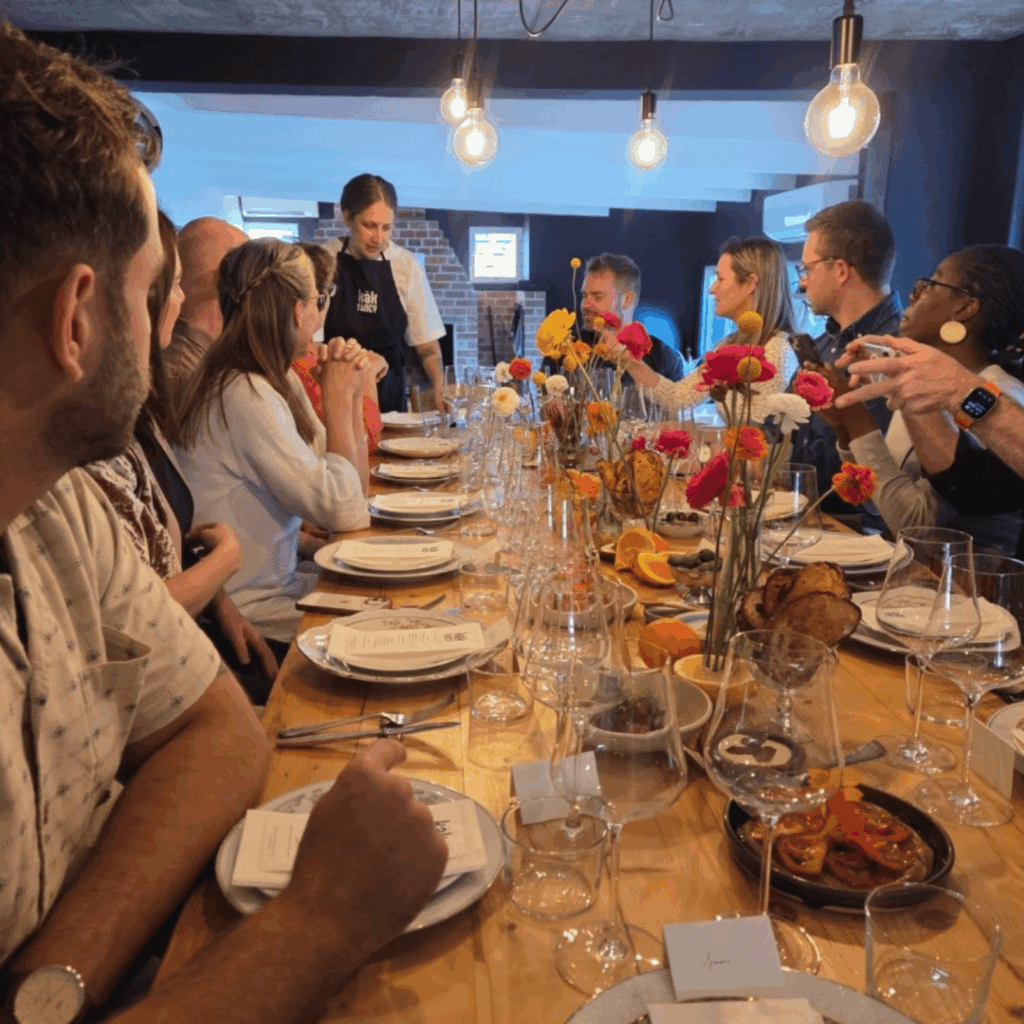
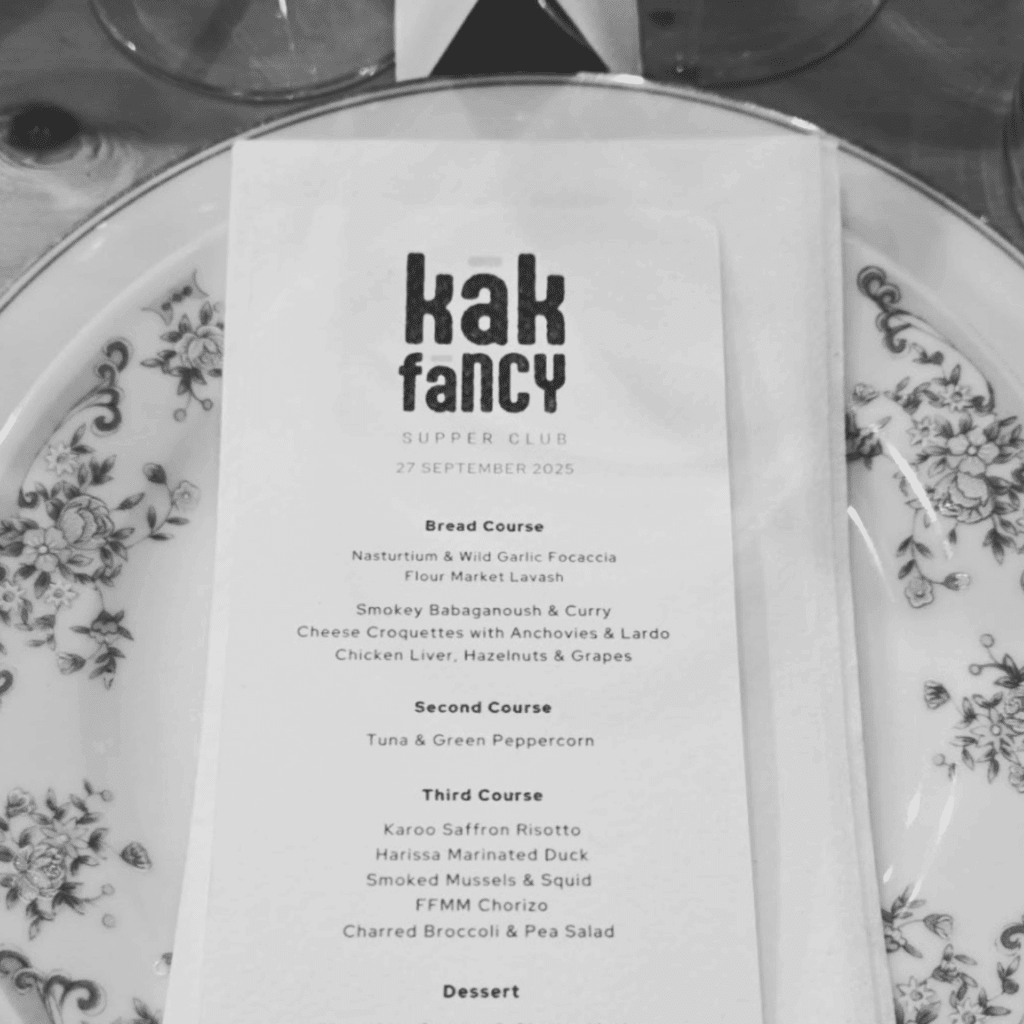
Dinner parties are no longer casual accidents; they are planned, themed, and documented across socials. For some, hosting has become a serious creative outlet: monthly menus, considered playlists, decorated tables, handwritten menusand place cards. We’ve even seen people open their homes once a month as makeshift coffee shops – baking furiously, laying their wares, fresh out the oven, on paper-covered tables, and letting friends “order” a sweet treat with their flat whites.
On social media, the renewed admiration for figures like Ina Garten and Martha Stewart – buoyed by her recent Netflix feature – speaks to a desire for order, beauty, and generosity within small, controllable spaces. If the world feels chaotic, at least the roast chicken can be perfect.
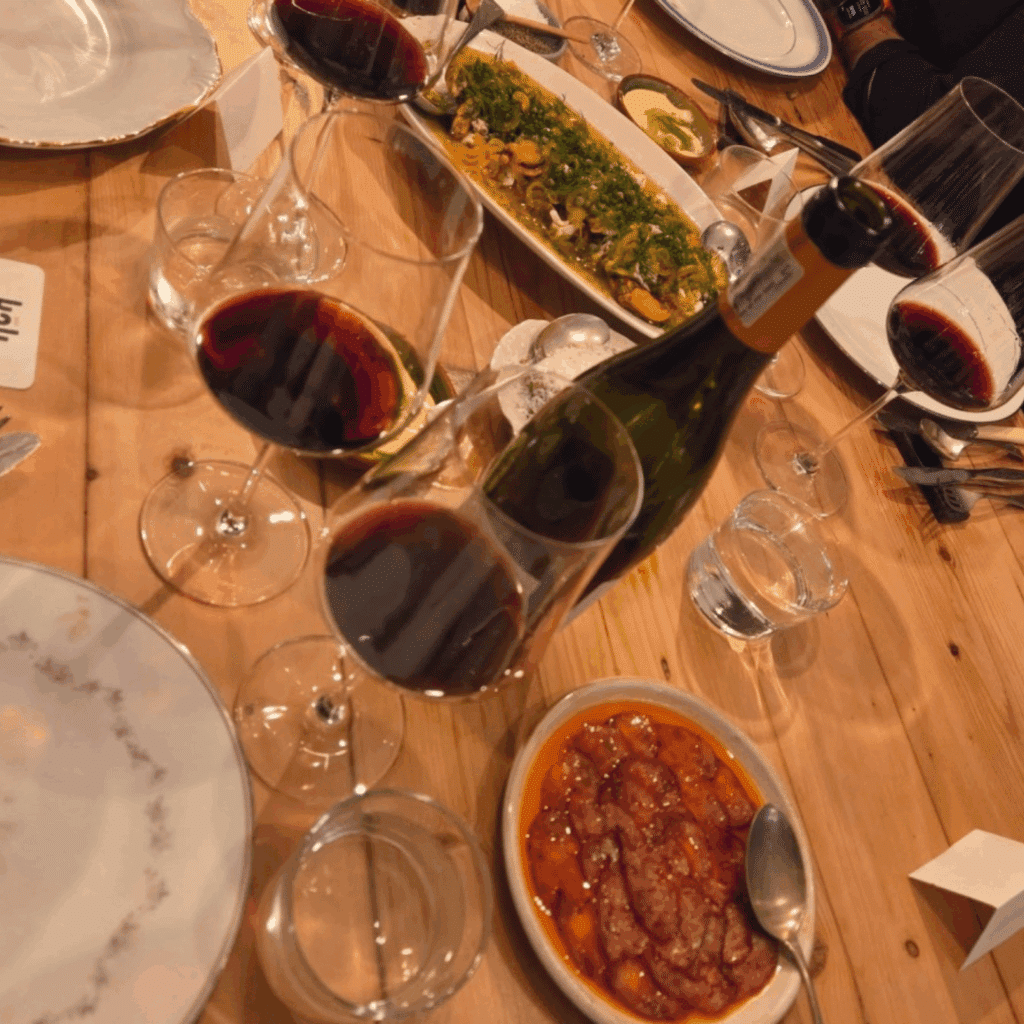
This impulse has spilled into the restaurant world, too, where supper clubs and independent event organisers are staging elaborate once-off dinners: tightly themed evenings with carefully choreographed menus and premium wine and drink pairings. These gatherings sit somewhere between a dinner party and a performance: intimate, intentional, and somewhat temporary.
2. The little treat ritual
Big luxuries feel out of reach for many, but small indulgences remain non-negotiable. A daily coffee, a pastry on the way to work, a market lunch, a well-made cocktail at the end of a long week – these modest pleasures punctuate routine without demanding much commitment or a big cash outlay. They are affordable joys in a time when nearly everything else feels expensive. Not decadence, exactly, but permission to indulge where we can.
3. Texture
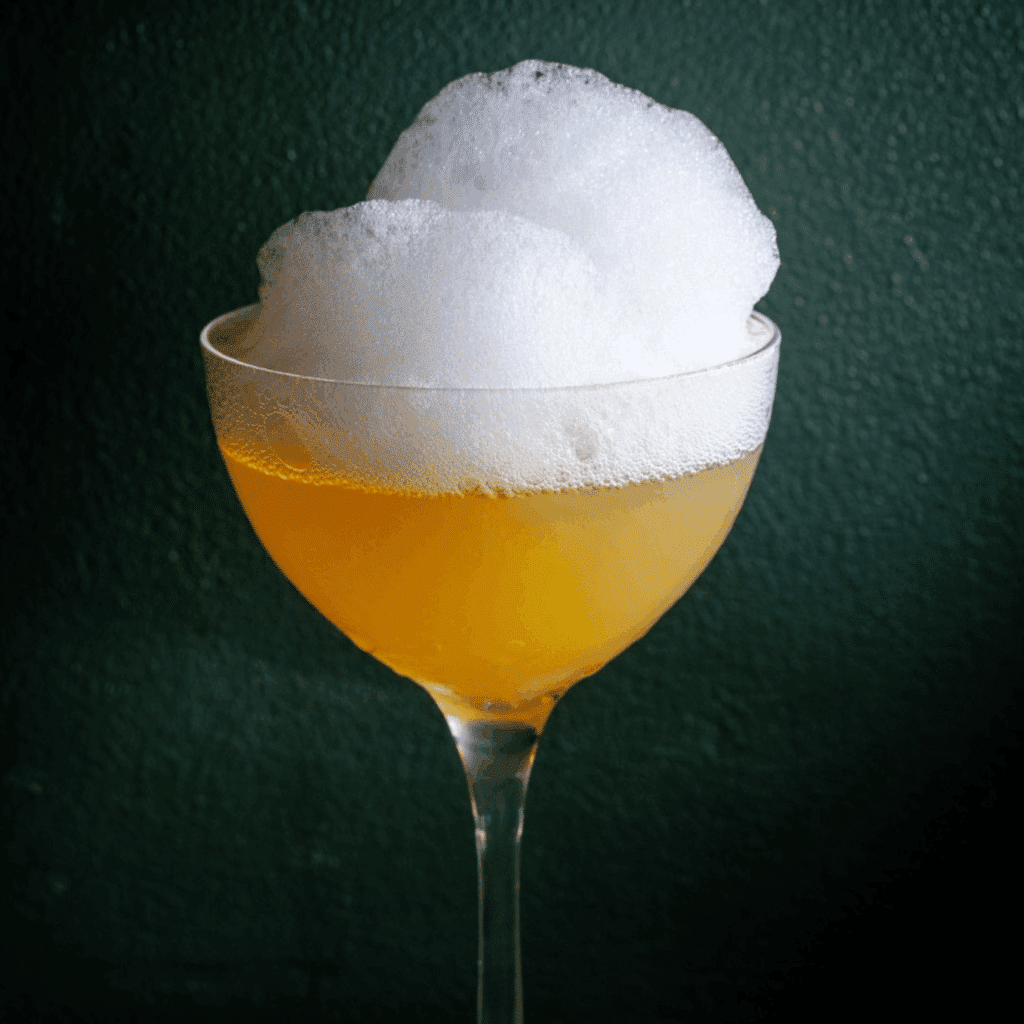
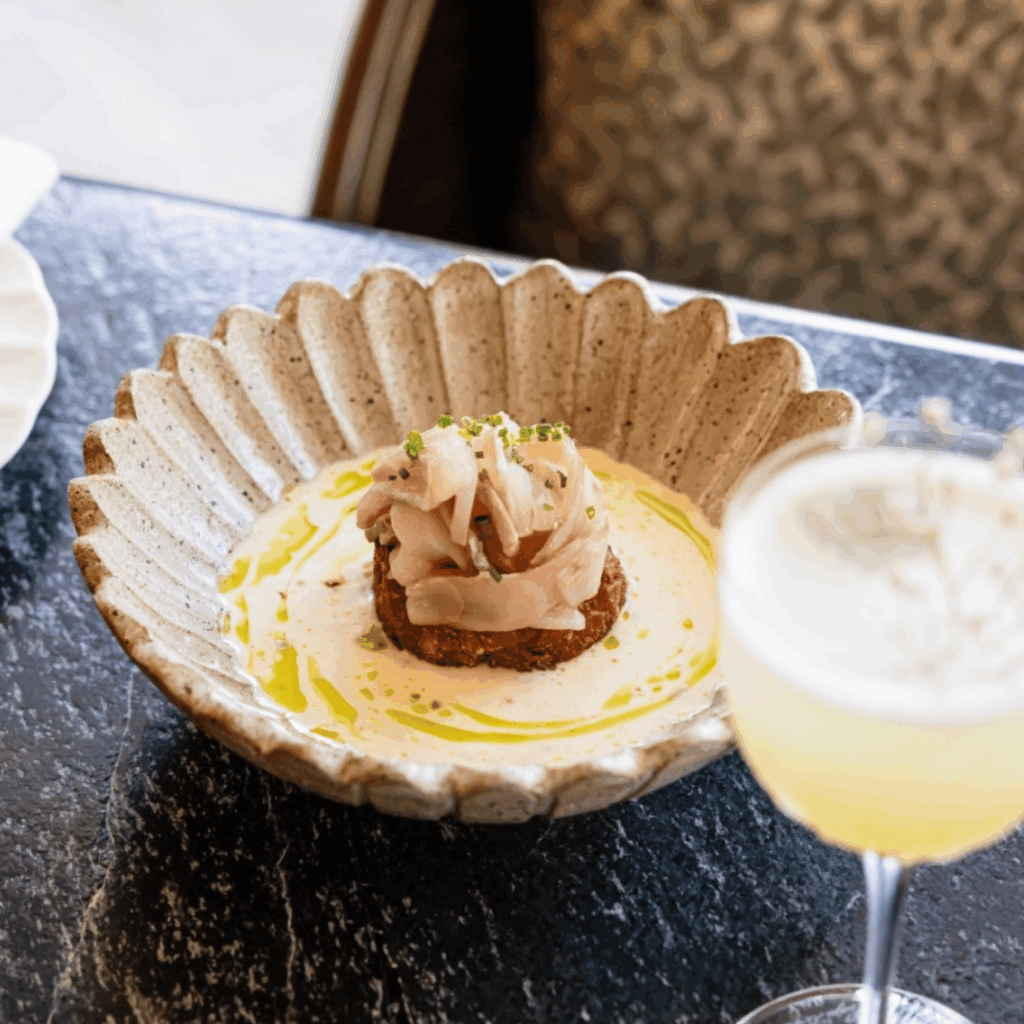
Texture has moved from supporting role to honorary star. Foams, crisps, chews, and gels now exist not as garnish but as point of view. We’re seeing this playfulness extend into drinks as well with foams, pastilles and crunchy elements.
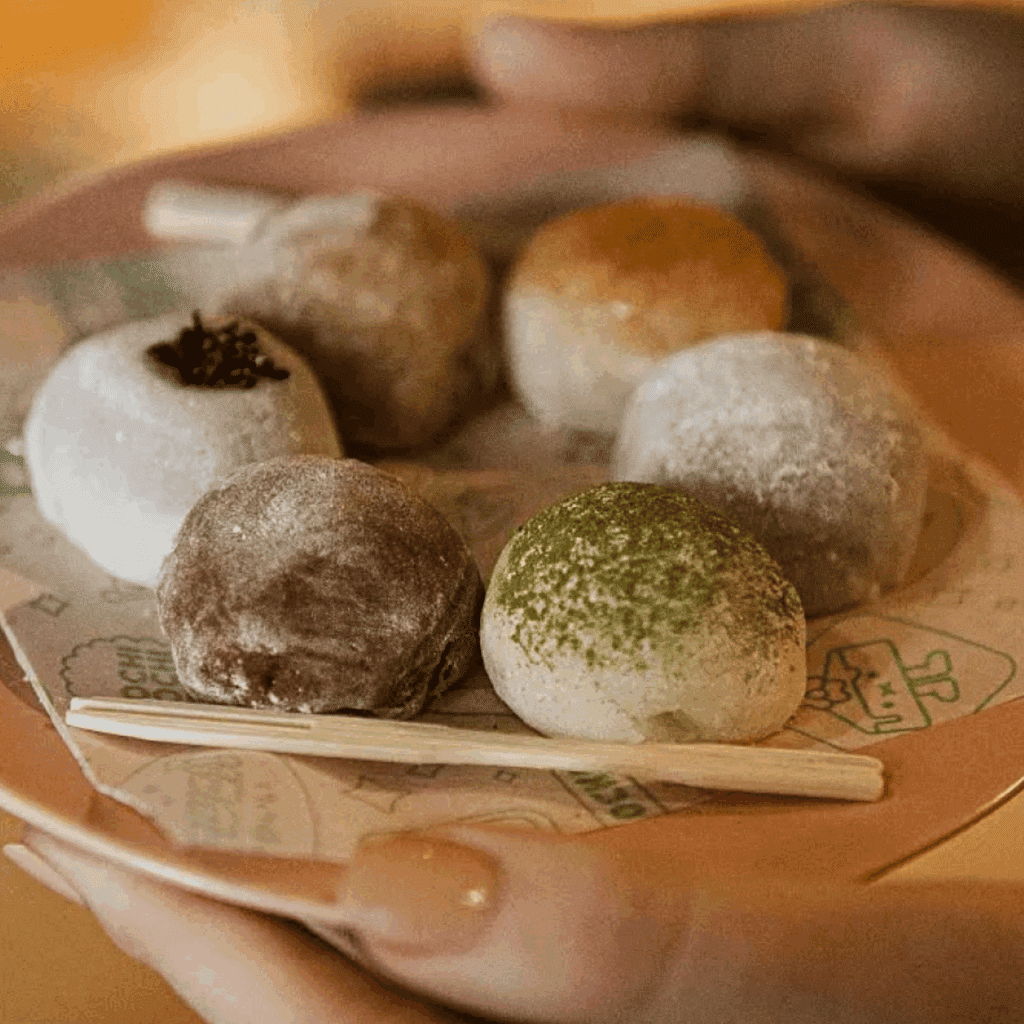
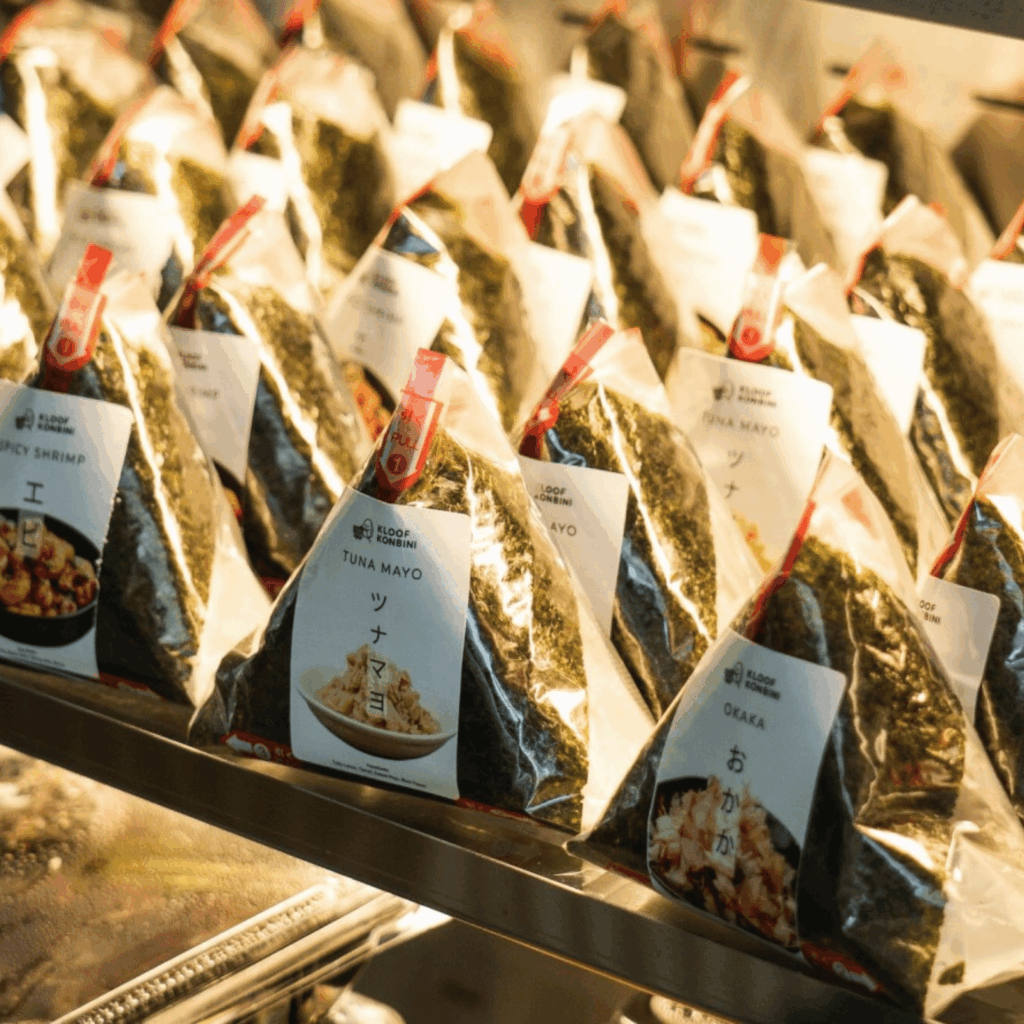
Alongside this is a growing appetite for chew itself. Korean and Japanese restaurants, cafés, and convenience stores have made texture-led foods familiar and desirable. Tteokbokki, mitarashi dango, mochi – now as likely to appear on menus as in the freezer section at Woolworths. It’s no longer just about flavour. It’s about how food feels in the mouth, how long it lingers, and how memorable a bite (or sip) can be.
4. Cabbage
Cauliflower’s long reign is ending – its PR team deserves a medal for convincing us, for years, that it could be pizza, gnocchi, noodles and just about anything else we asked of it. In its place comes its humbler cousin: cabbage. It’sinexpensive, roasts beautifully, absorbs flavour willingly, and carries nostalgia without heaviness. A recent sweet-and-salty dish of grilled cabbage at Tambourine – wilted and perfectly soft, finished with blue cheese and chestnut paste – was a standout for us at the end of 2025.
5. Returning to favourites
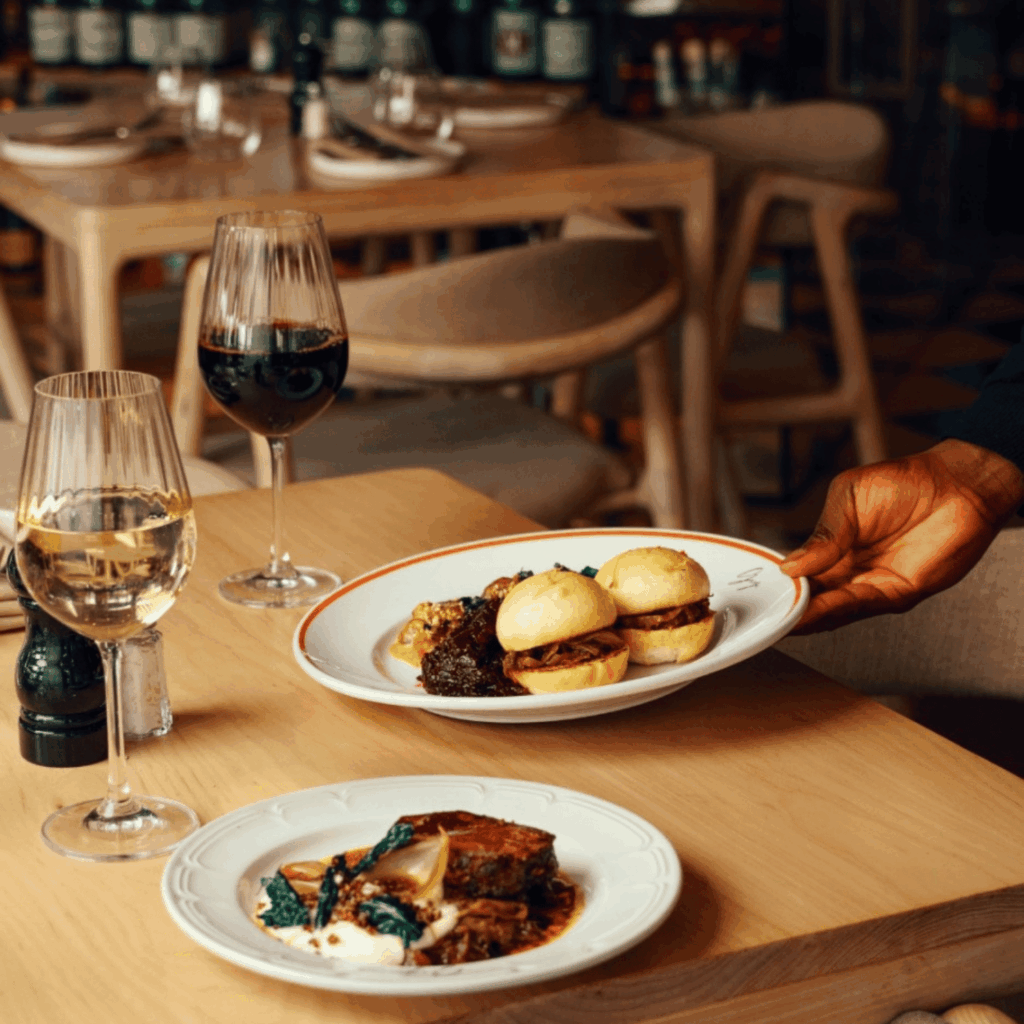
With fewer nights out feeling affordable, diners – locally and globally – are choosing certainty. Familiar rooms. Beloved dishes. Food prepared and served by trusted hands. Loyalty has become a strategy rather than a sentiment.
Instead of chasing every new restaurant opening, we’re returning to places we know will deliver. Money is tight, and a night out now needs to feel assured: ordering the food we love, in spaces we already trust, and supporting the restaurants that have earned repeat visits.
6. À la carte over tasting menus
Long tasting menus are starting to feel more like commitments than treats. Ordering what we want, when we want it, has regained its appeal. At The Red Room by Chefs Warehouse at the Mount Nelson, Chef Dave Schneider has introduced an à la carte option alongside the well-known Chefs Warehouse “tapas for two” tasting menu, allowing diners to drop in casually or return repeatedly. Win win.
7. Playful seriousness in the cocktail space
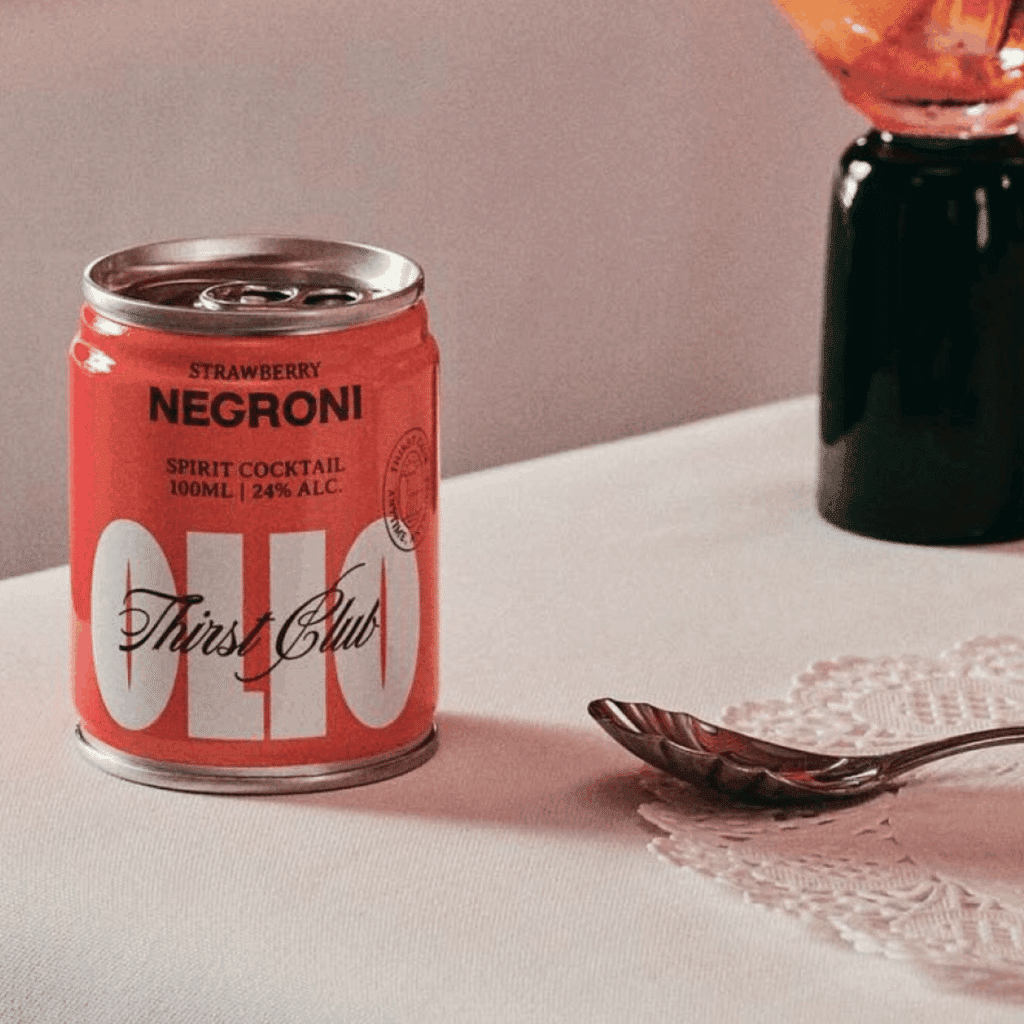
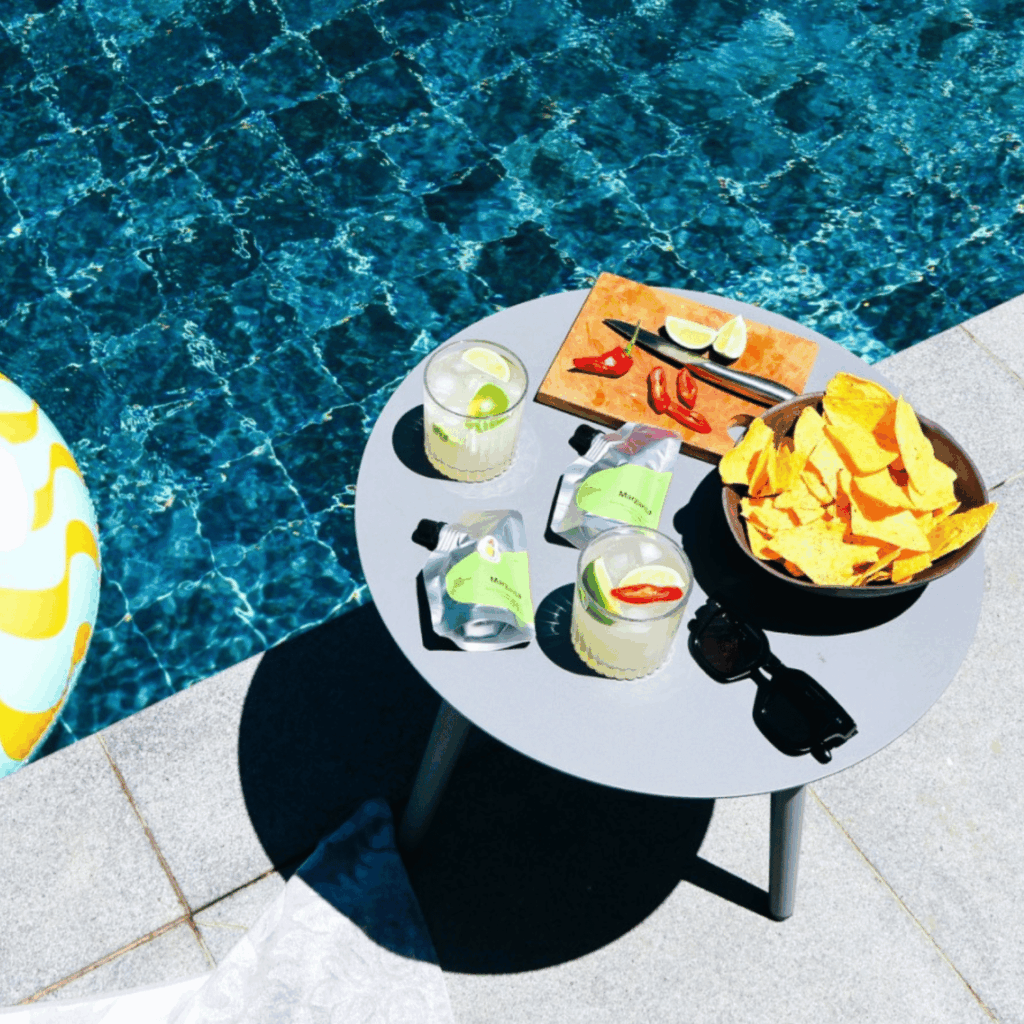
The canned cocktail market continues to grow, driven by a desire for properly made drinks designed for those on the move. Bar-strength offerings from brands like Olio, Patch, and Pienaar & Sons, with their much-loved “buddy packs”,deliver stiff, on-the-go cocktails with packaging that’s a lot of fun.
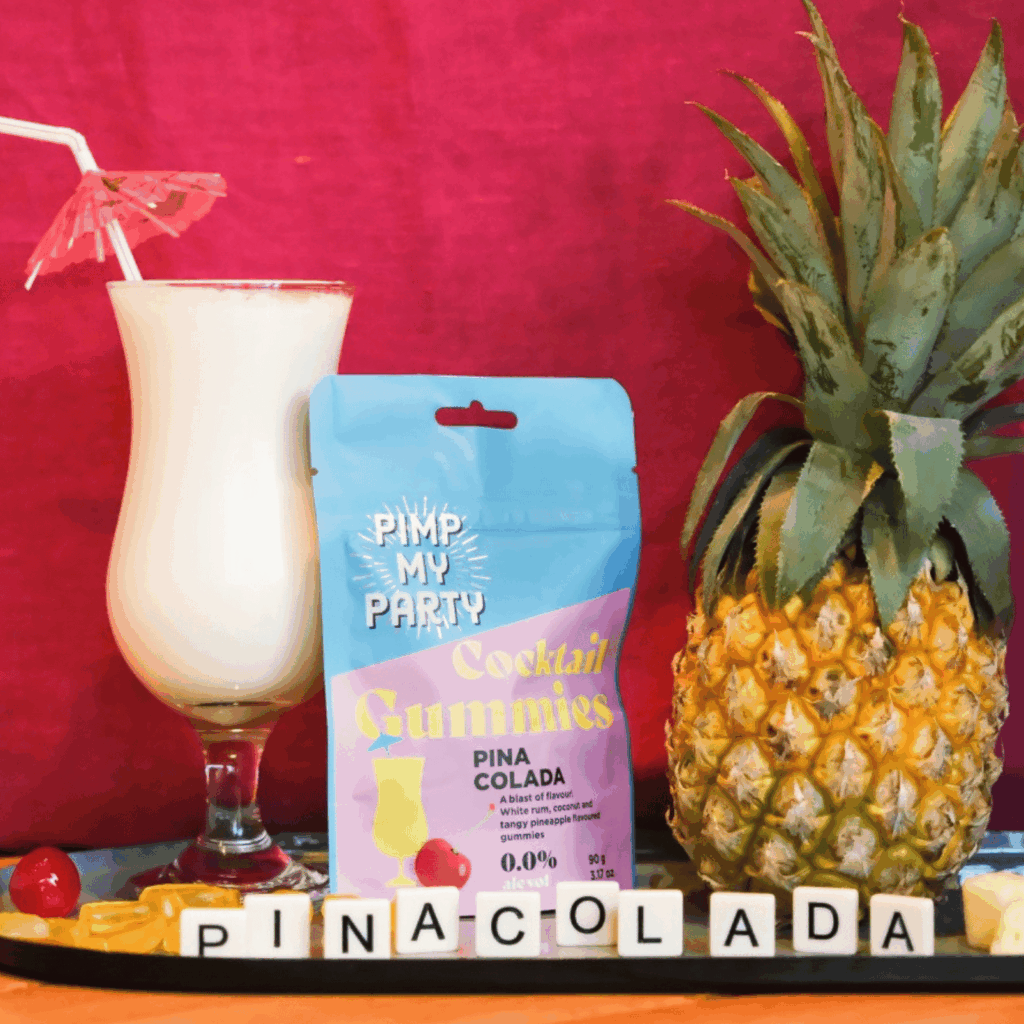
Alongside this, we’re seeing a loosening of formality in more rarefied spaces. Abroad, Jell-O shots have begun appearing in fine-dining settings – espresso martinis and margaritas reimagined in bite-sized, wobbling form. Closer to home, non-alcoholic cocktail gummies from brands like Think Flavour are showing up in major retailers, blurring the line between drink, sweet, and novelty.
8. Fish-forward restaurants
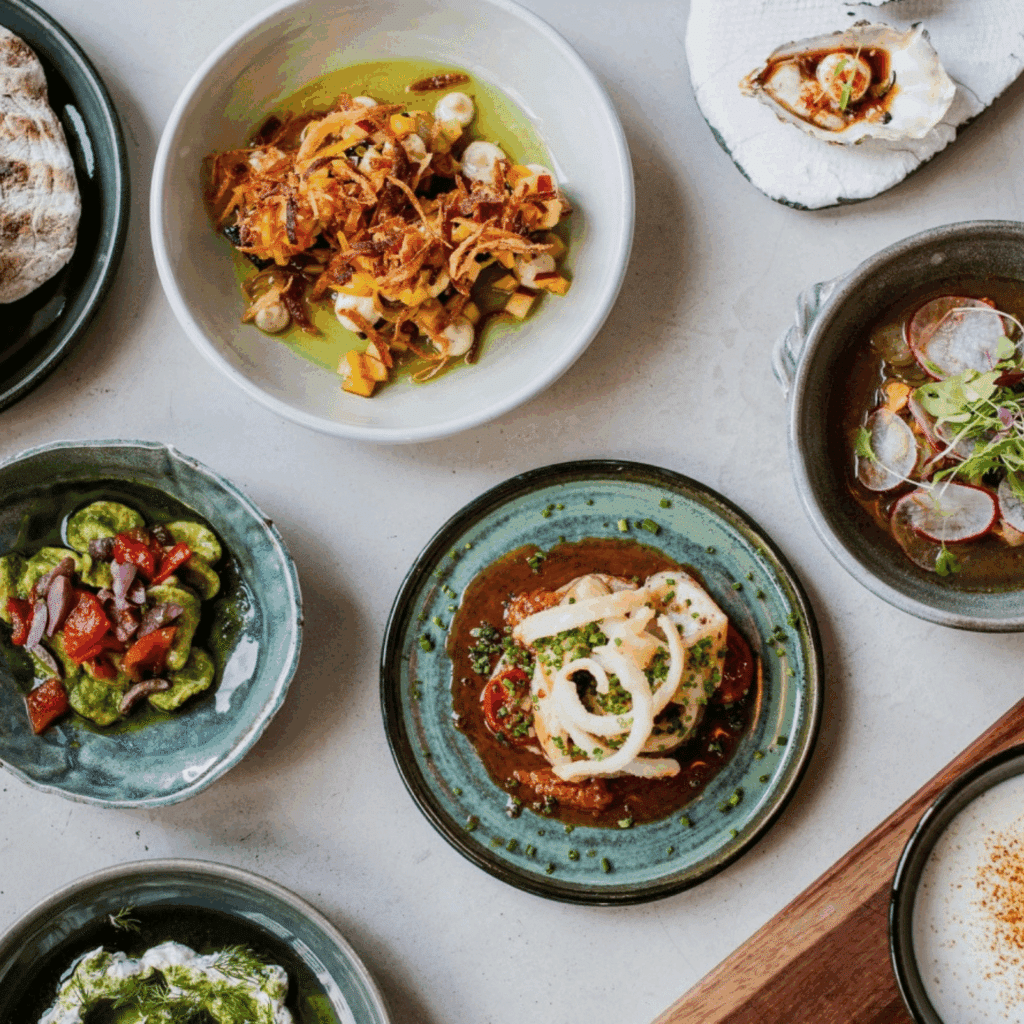
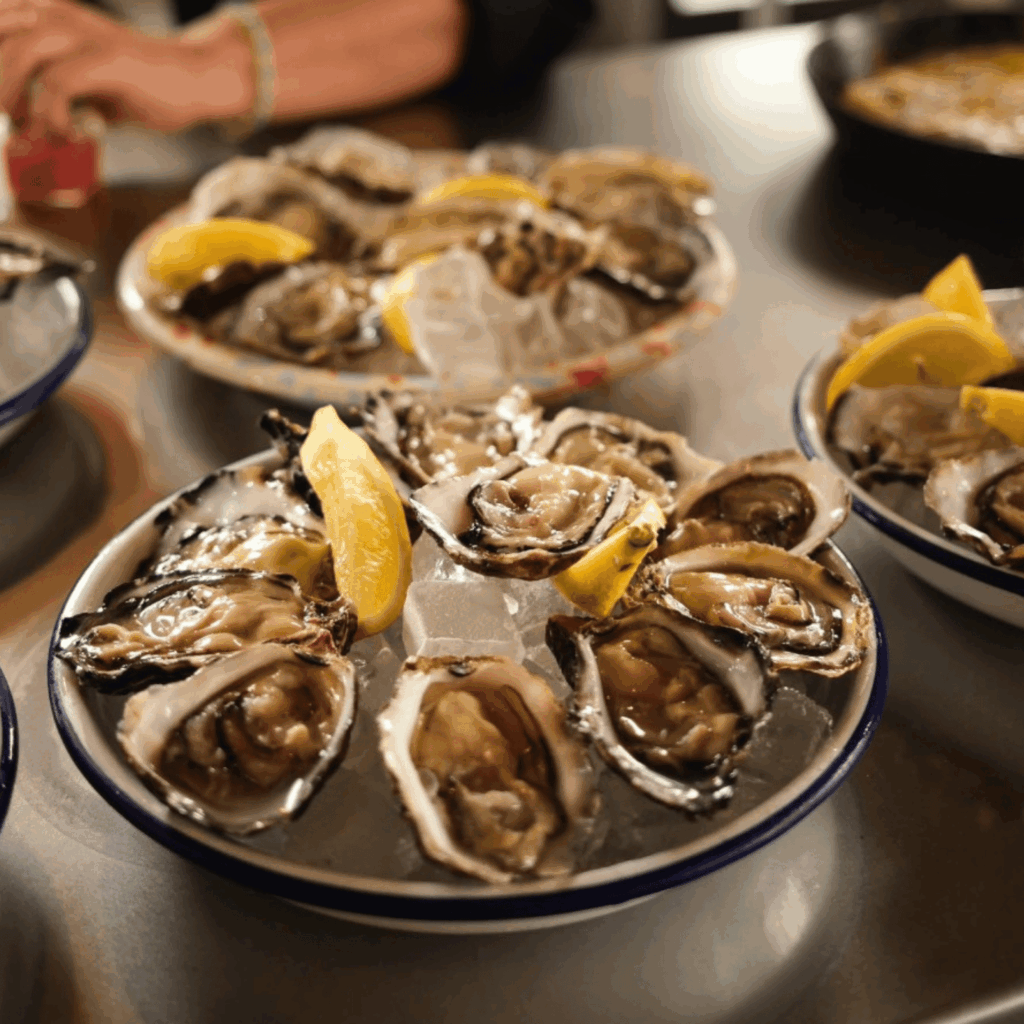
A noticeable shift away from meat-centric menus is underway. Fish – often local, sustainably sourced, and simply prepared – is moving into the spotlight. A growing number of fish-forward restaurants are asking diners to look away from red meat, if only briefly, and toward the coast.
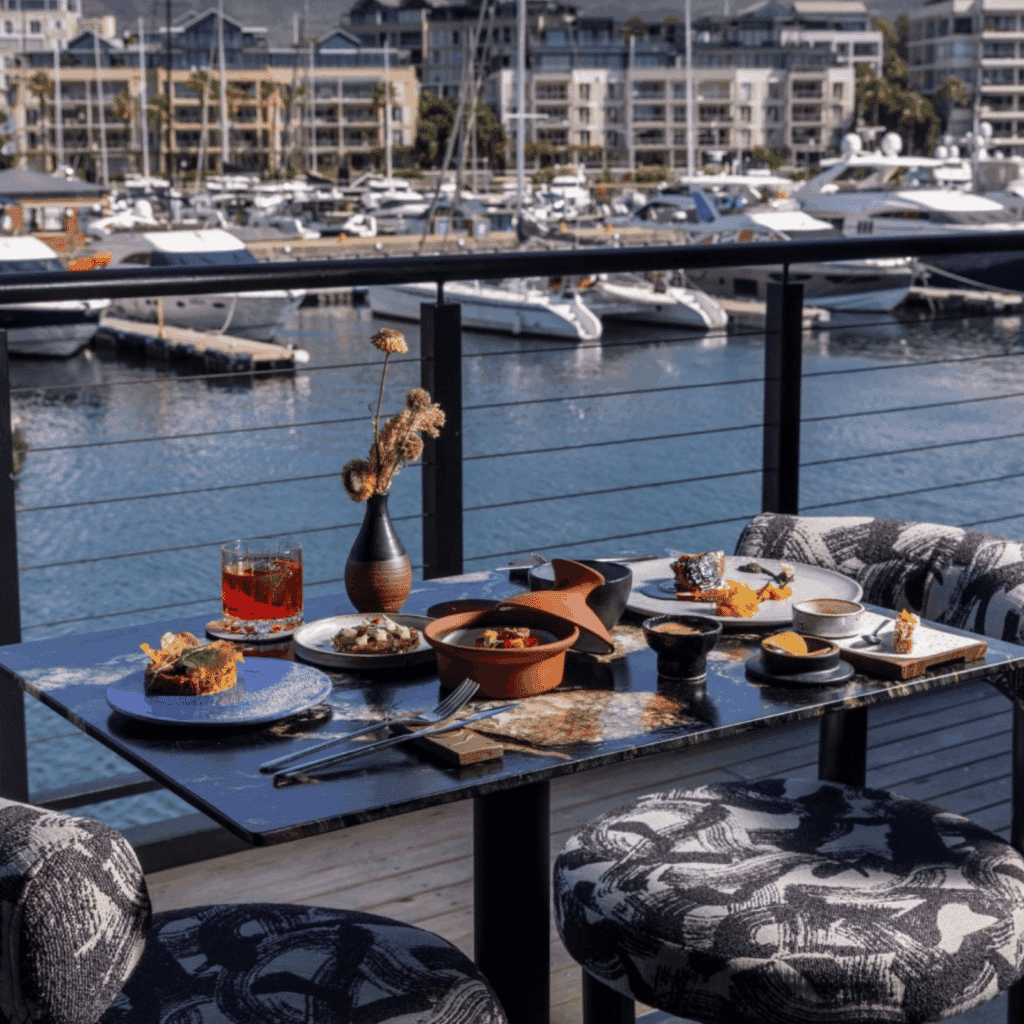
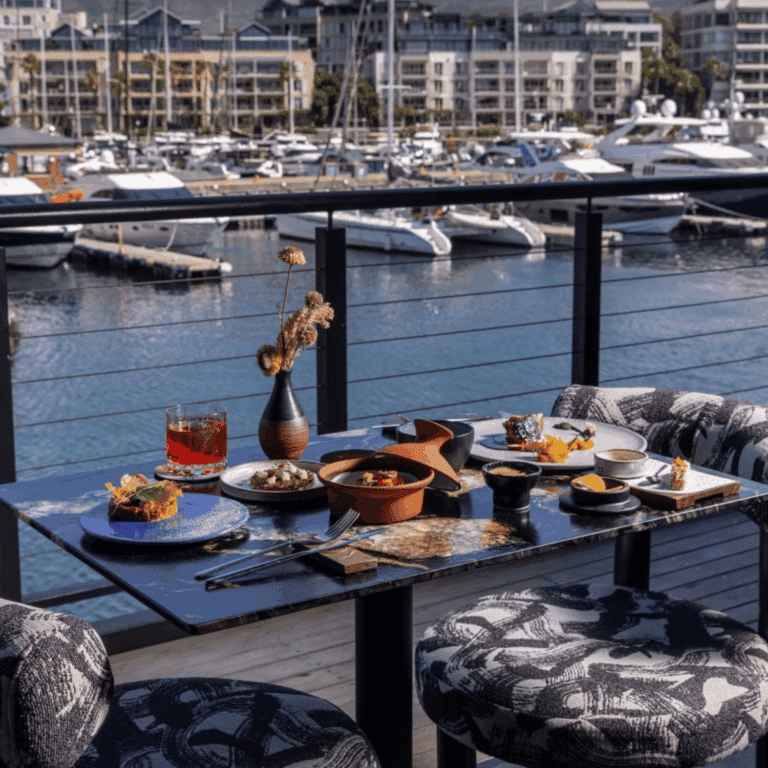
Restaurants like COY at the Waterfront, Galjoen, Seebamboes, and the Mount Nelson’s newest opening, Amura, and Johannesburg’s People’s Choice Club Como, reflect this change. Similarly, so do seasonal pop-ups like Kobus Botha’s stint at the Saldanha Wine Co., where seafood is served raw or straight off the coals within meters of the water it came from.
With coastlines as generous as ours, this feels less like a trend and more like a correction; one that allows local diners to enjoy our own fish and seafood in the landscapes that make them possible.
9. Nostalgic dining
Bars and restaurants are increasingly mining collective memory: dishes you recognise before you taste them, menus that reference something you once loved. At Gigi, Chef Moses Moloi reimagines his childhood favourites through a fine-dining lens, turning personal memory into something both intimate and refined.
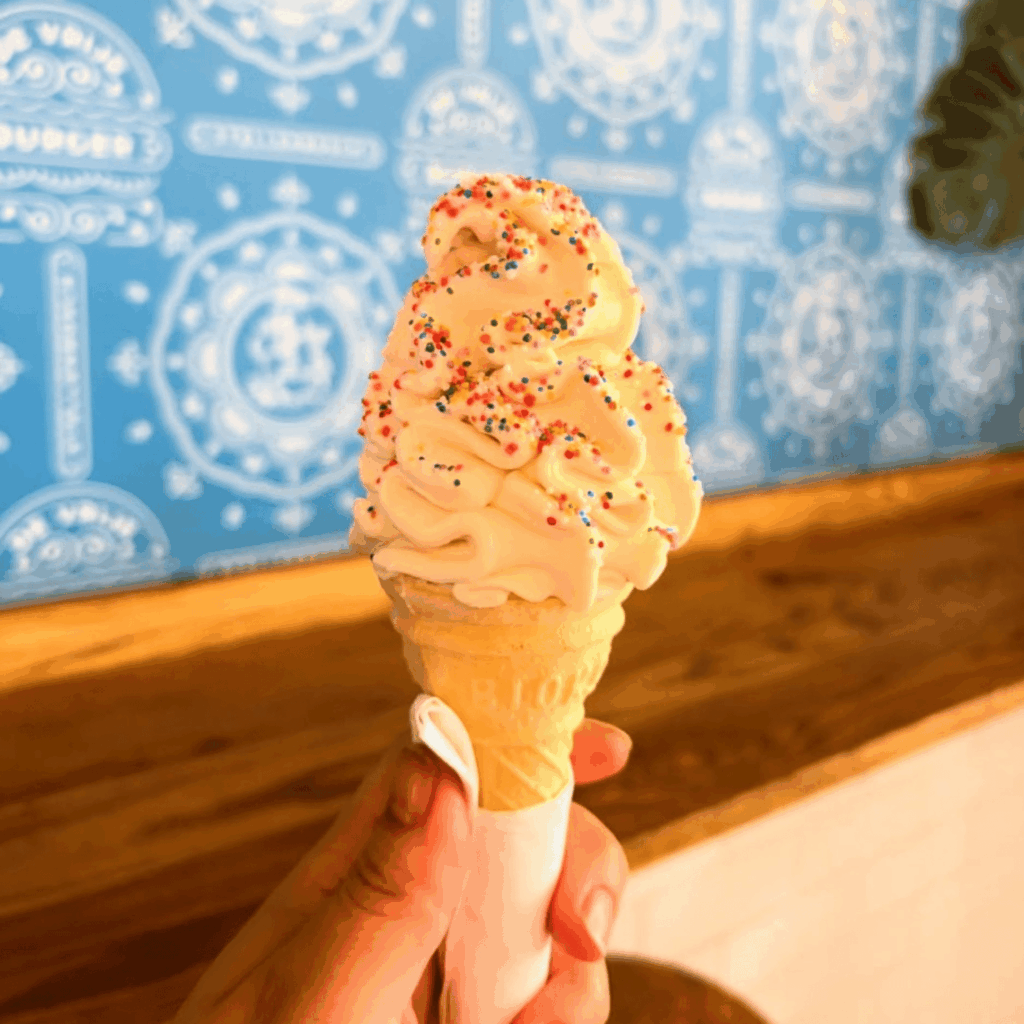
Elsewhere, nostalgia takes different forms. At Ouzeri, Chef Nic Charalambous builds an entire Cypriot menu inspired by his grandmother’s cooking, anchoring memory in lineage rather than trend. The old-school bakes and sweets at Ongetem – banana splits included – and the soft-serve ice cream cones at De Vrije Burger by Chef Bertus Basson draw on a more collective past.
These dishes don’t look backward so much as inward, treating familiarity not as escape, but as something quietly joyful and worth revisiting.
10. Spontaneous creator advertising
Advertising in food and drink is beginning to shift. Large, non-food brands like Marc Jacobs with Nara Smith, Hailey Bieber’s Rhode, Skims, and others, are stepping into the culinary space, recognising its cultural pull as a way to connect with audiences.
Meanwhile, influencers, long a staple of marketing, are driving momentum in a different way. Brands can find themselves no longer briefing or signing off on content; instead, creators go rogue, content goes viral, and only afterwards do brands catch up – ideally compensating them fairly.
We closed 2025 with the Romeo x Dr Pepper saga. A spontaneous TikTok jingle went viral, was collectively turned into an internet-produced ad, and suddenly the world was thinking about, buying, and drinking Dr Pepper again – even here in South Africa. It’s safe to assume the brand saw a boost in both sales and awareness.
The lesson for marketers is clear: authentic, creator-led content can work wonders; especially if brands recognise and reward it.
For more Food & Drink inspiration, click here.
Read our digital magazine.
Follow us on Instagram.