Kelebogile Marope Wins the 2026 FNB Art Prize
Botswana-born artist Kelebogile Marope wins the 2026 FNB Art Prize and will present a solo exhibition in Johannesburg in 2027.
South Africa’s love affair with gin has matured rather beautifully. What began as a parade of oversized glasses and increasingly ambitious garnishes has developed into a genuine appreciation for botanicals, provenance and the personalities behind the bottle.
The result is a wonderfully varied drinks cabinet. Traditional London Dry expressions now sit beside Japanese craft gin, citrus-led Italian creations and distinctly South African spirits infused with rooibos, fynbos, marula and other indigenous botanicals.
Whether you prefer a classic G&T, a carefully stirred Martini or something bright enough to rescue a languid summer afternoon, these ten much-loved gins offer a good place to begin.
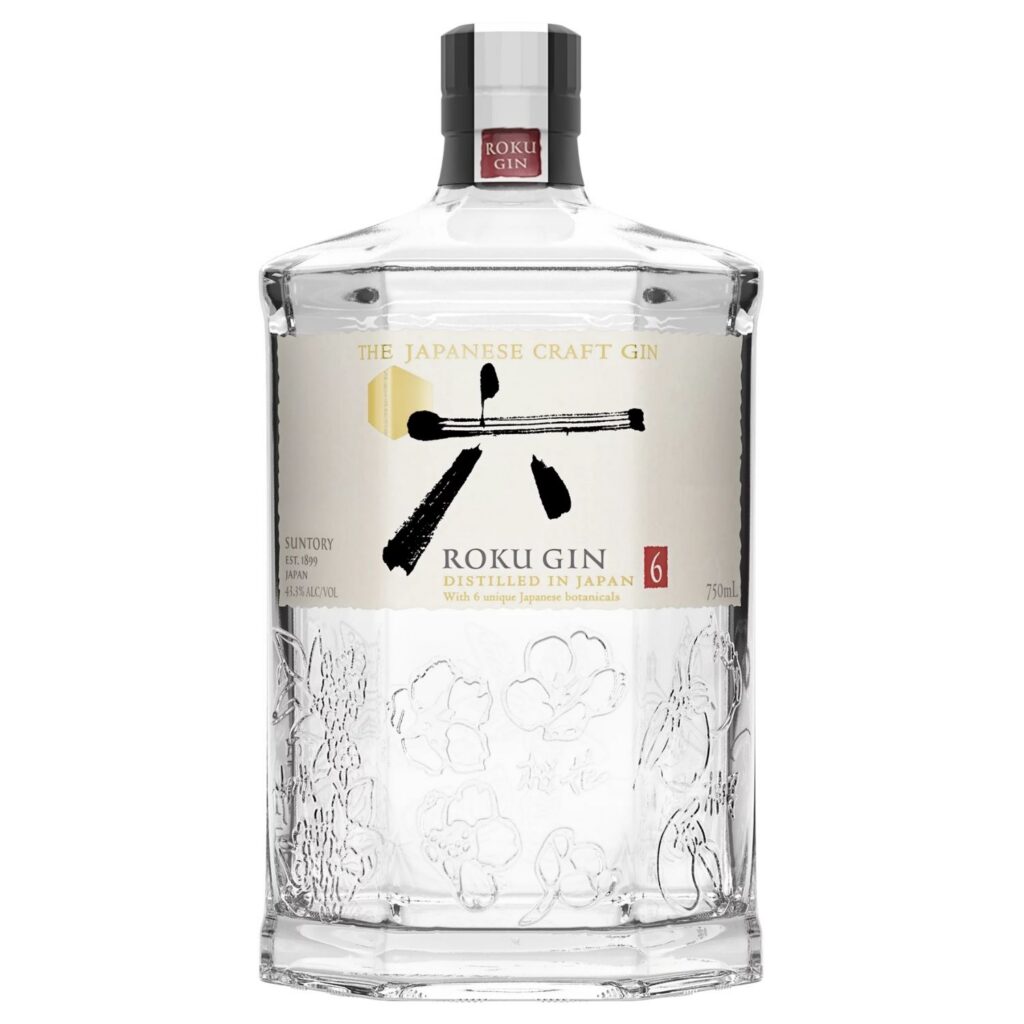
Roku takes a precise Japanese approach to a spirit that can occasionally become rather noisy. Its name means “six”, referring to the six Japanese botanicals at the heart of the recipe: sakura flower, sakura leaf, yuzu peel, sencha tea, gyokuro tea and sansho pepper.
The result is layered rather than flamboyant, moving between citrus, green tea, delicate florals and a gentle peppery finish. It is an excellent choice for drinkers who prefer their gin refined and aromatic.
Try it with: Premium tonic, plenty of ice and ribbons of fresh ginger.
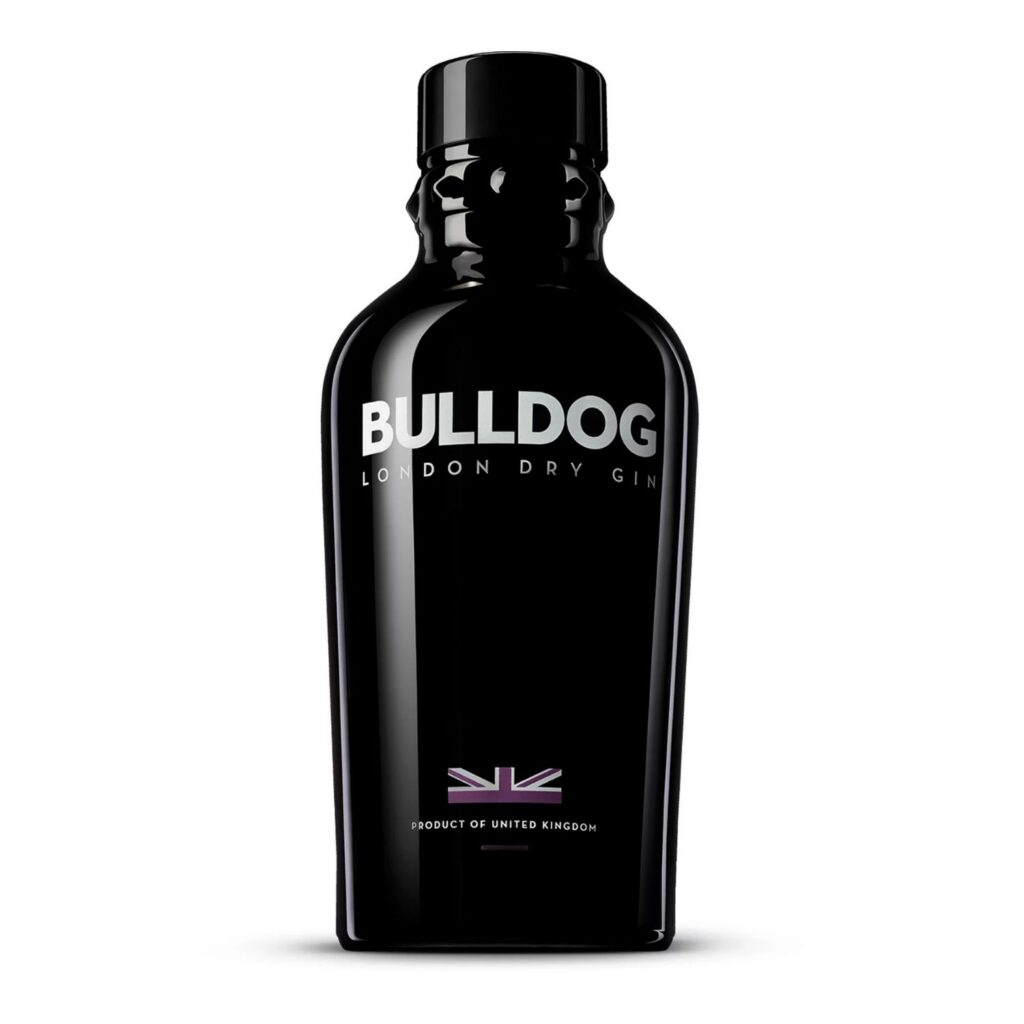
Despite its rather muscular name and black bottle, Bulldog is more approachable than its branding suggests. It offers the familiar juniper backbone of a London Dry gin, rounded out by citrus, floral notes and subtle earthy spice.
It is versatile enough for uncomplicated G&Ts while retaining enough character for classic cocktails. Think of it as the dependable dinner guest who arrives on time, mixes well with everyone and never hijacks the playlist.
Try it with: Indian tonic and a twist of grapefruit or lemon peel.
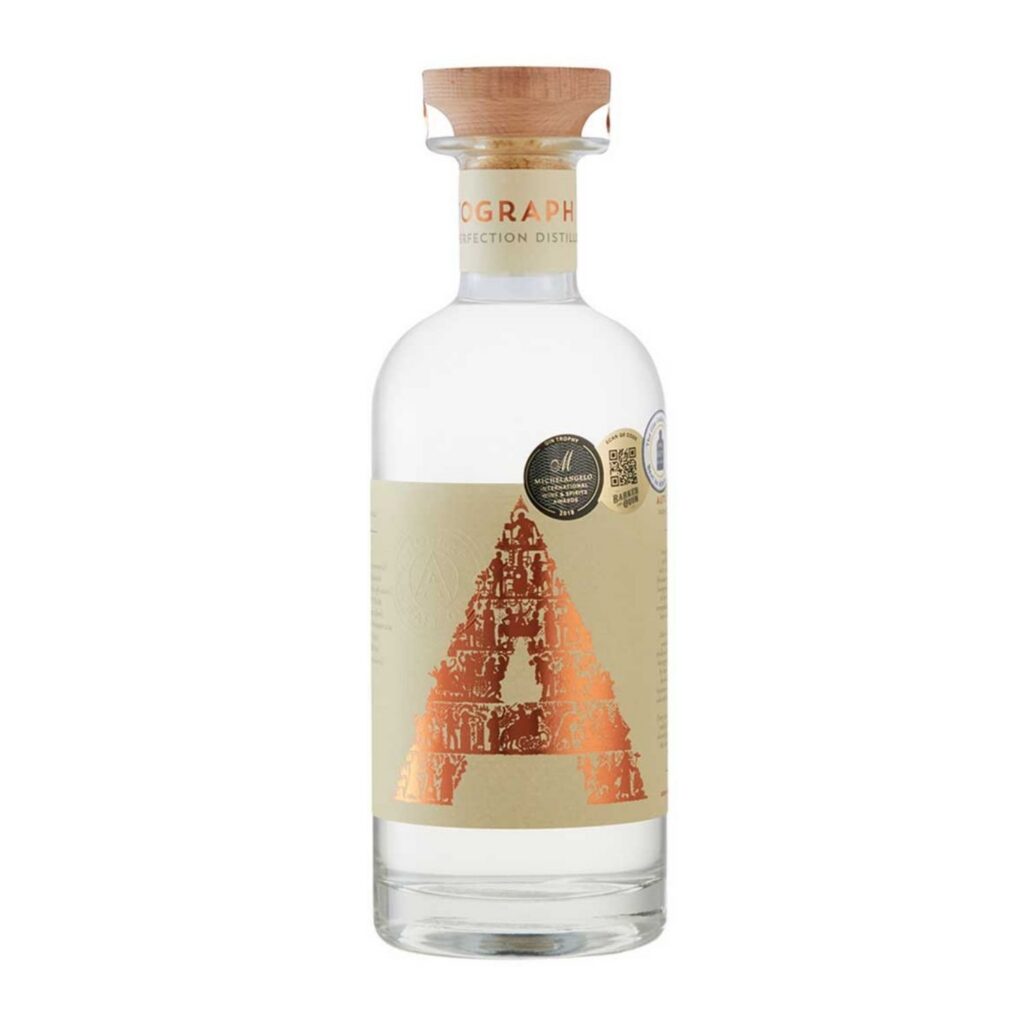
Autograph brings a South African accent to the classic dry-gin style. Juniper remains prominent, supported by citrus, coriander, angelica root and indigenous botanicals, including Artemisia afra.
The flavour profile is aromatic and structured, with enough warmth and botanical depth to prevent the tonic from doing all the talking. It is an appealing choice for anyone who enjoys a traditional gin but wants something that speaks more clearly of the Cape.
Try it with: A neutral tonic and a slice of grapefruit.
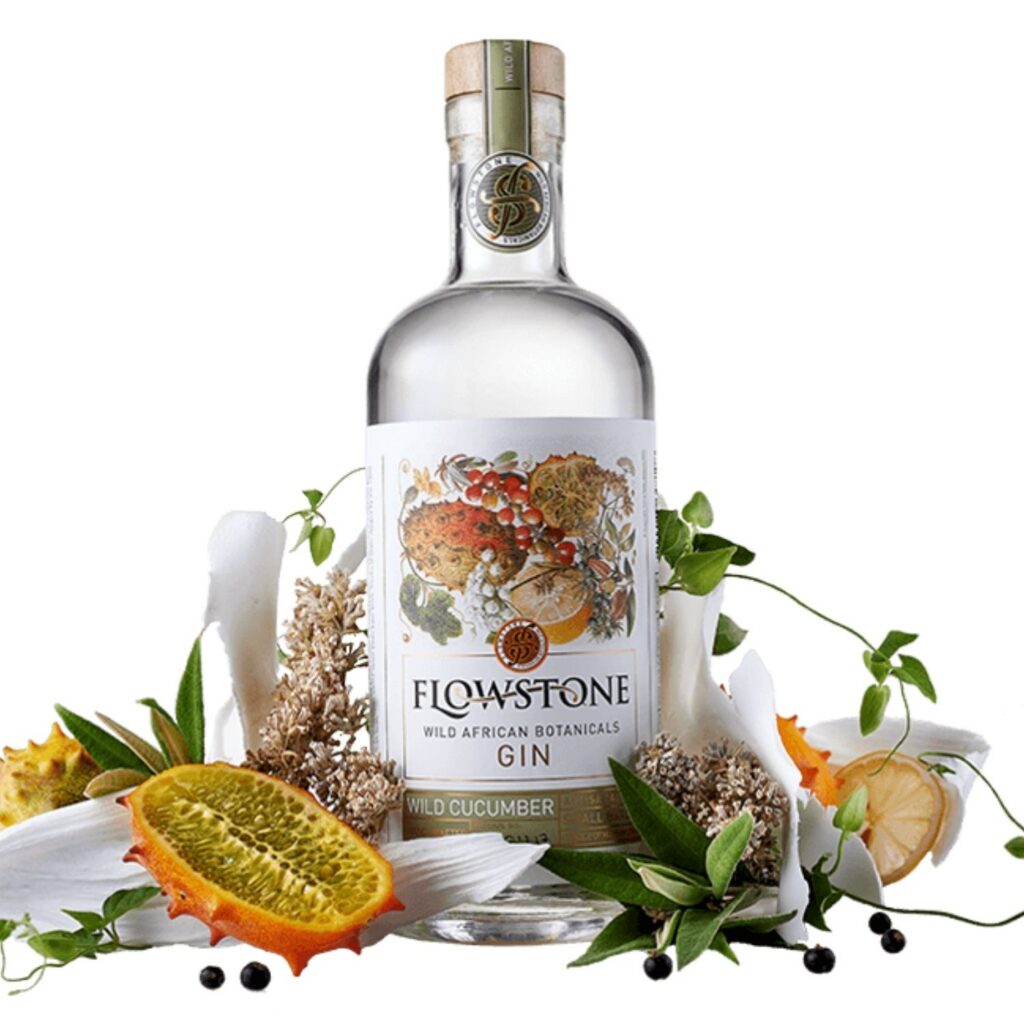
Born in the Cradle of Humankind, Flowstone uses African botanicals to create a range that feels closely connected to its landscape. Its Wild Cucumber expression delivers fresh cucumber, lime and subtle green-fruit notes, while Marula moves in a rounder, fruitier direction and Bushwillow offers a more earthy character.
The bottles are attractive, but this is not gin destined to gather dust as bar-cart furniture.
Try it with: A light or sugar-free tonic and a garnish that complements your chosen expression.
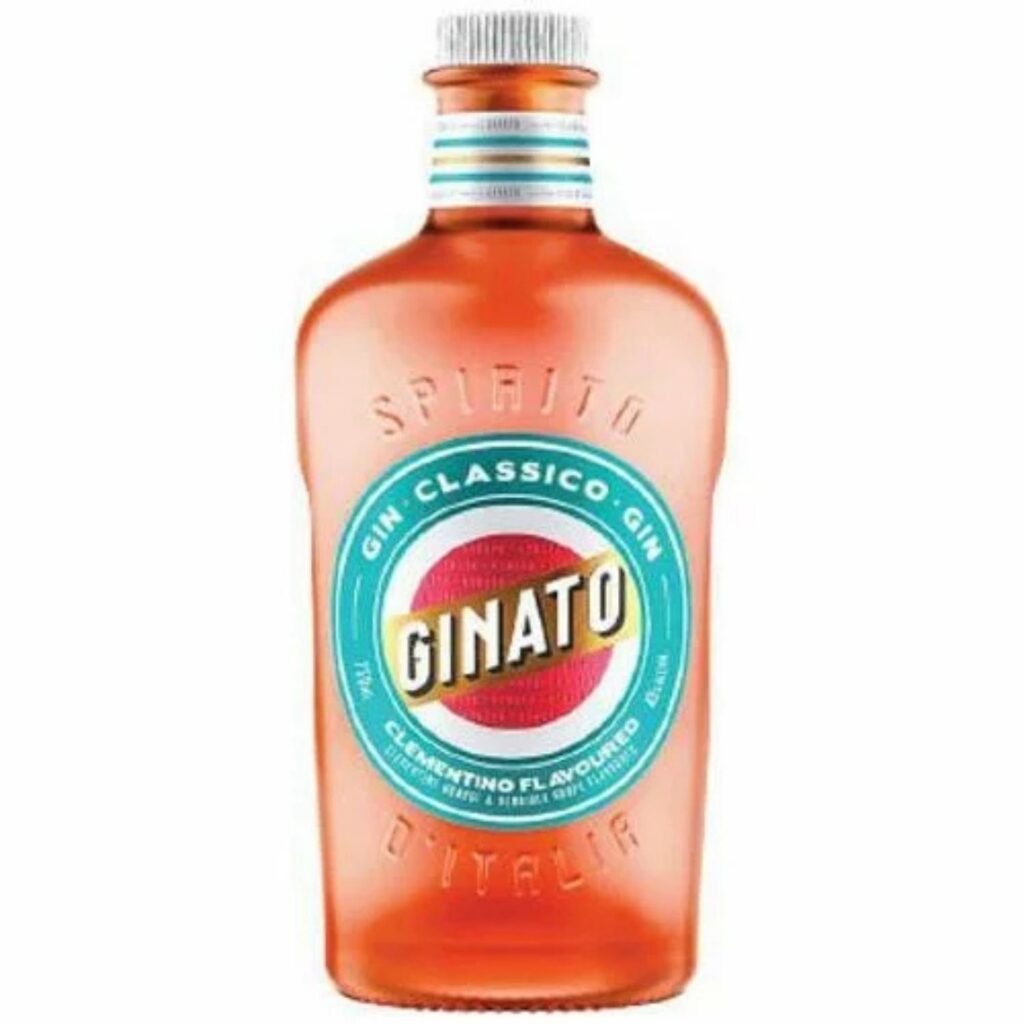
Ginato Clementino is Italy dressed for an afternoon in the sun. Made using Italian juniper, grapes and clementines, it has a bright citrus-led personality balanced by gentle fruit and the dryness expected from gin.
It is particularly well suited to drinkers who find traditional juniper-heavy styles too austere. There is sweetness here, but enough freshness to keep the glass lively.
Try it with: Mediterranean tonic, a wheel of orange and plenty of ice. It also brings a sunny citrus lift to a Negroni.
Bloedlemoen helped prove that South African gin could be both playful and sophisticated. Created using Tarocco blood oranges, this locally made spirit combines vivid citrus with juniper and warming spice.
The blood orange gives it a distinctive bittersweet character without pushing it into liquid-sweets territory. It is bold enough to make a memorable G&T and sufficiently interesting to serve over ice when the occasion calls for fewer distractions.
Try it with: Indian tonic, an orange wheel and a sprig of rosemary.
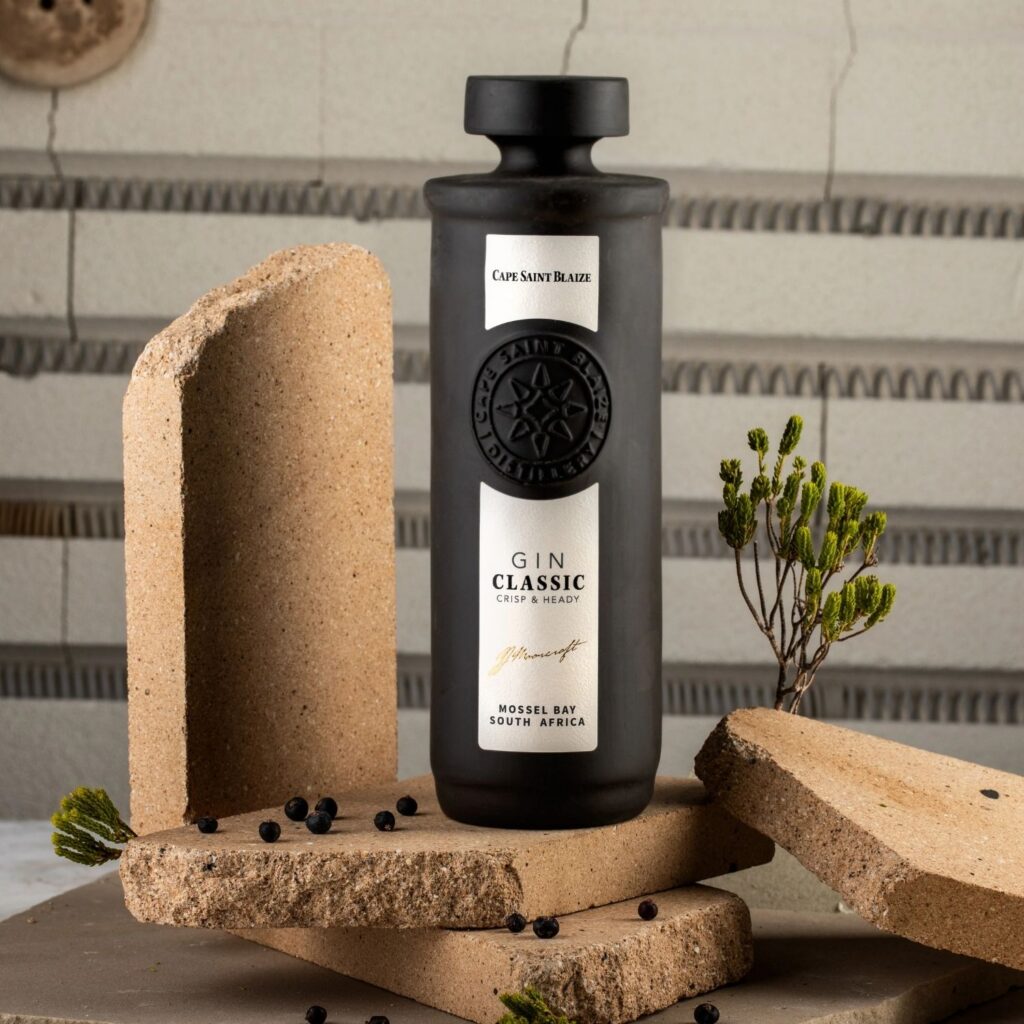
Produced in Mossel Bay, Cape Saint Blaize draws its identity from the meeting point between the Cape’s indigenous botanicals and its rugged coastline. The range explores different combinations of citrus, herbs, florals and spice, offering considerably more than handsome bottles.
These are gins that reward a little experimentation. Begin with a simple serve before constructing a botanical garden in the glass and obscuring everything the distiller worked to create.
Try it with: Premium tonic and a restrained citrus or herb garnish.
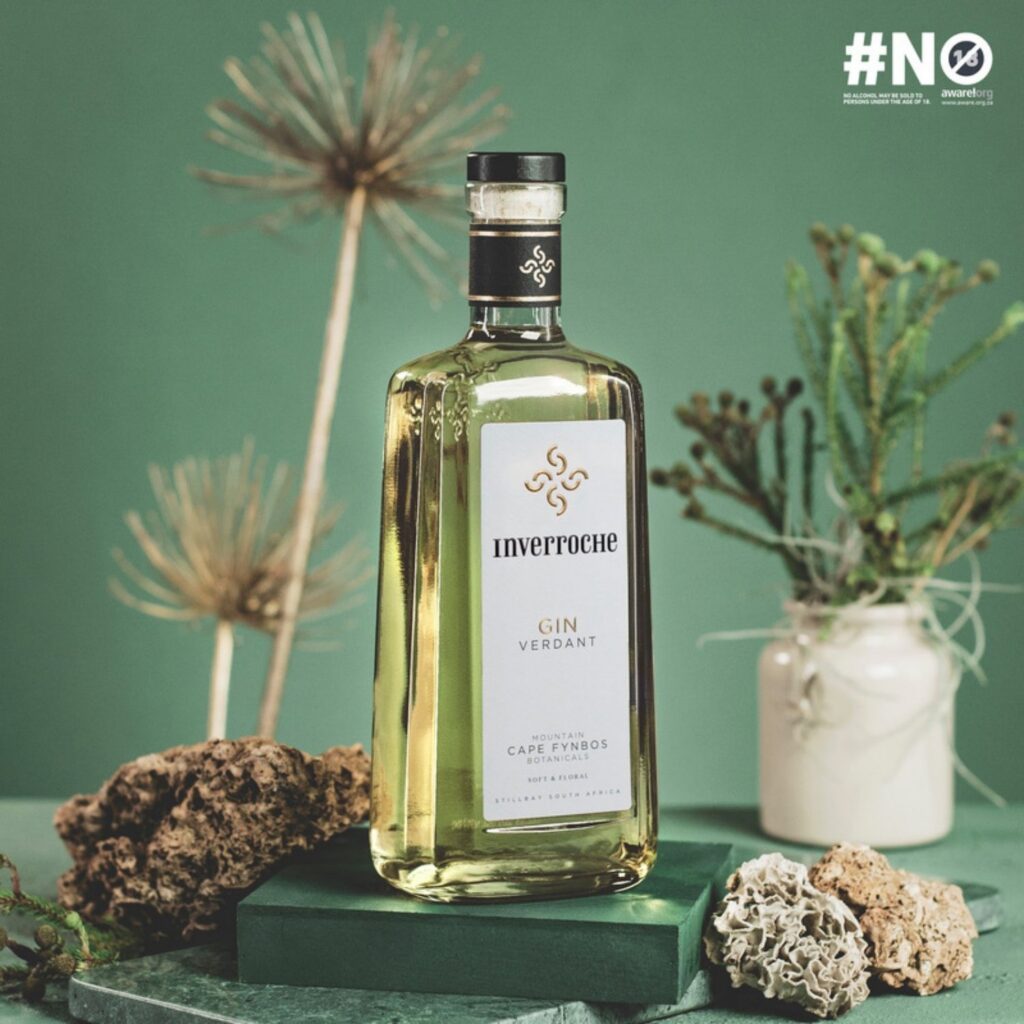
Inverroche played an important role in introducing South African fynbos gin to a wider audience. Its range uses botanicals from the Cape Floral Kingdom to produce spirits that feel unmistakably connected to the southern Cape.
The Classic expression is crisp and floral, with grassy juniper and bright citrus, while Amber offers something richer and more aromatic. Both demonstrate why indigenous botanicals have become such an important part of South Africa’s contemporary drinks story.
Try it with: Classic with tonic and lime zest; Amber with tonic and orange peel.
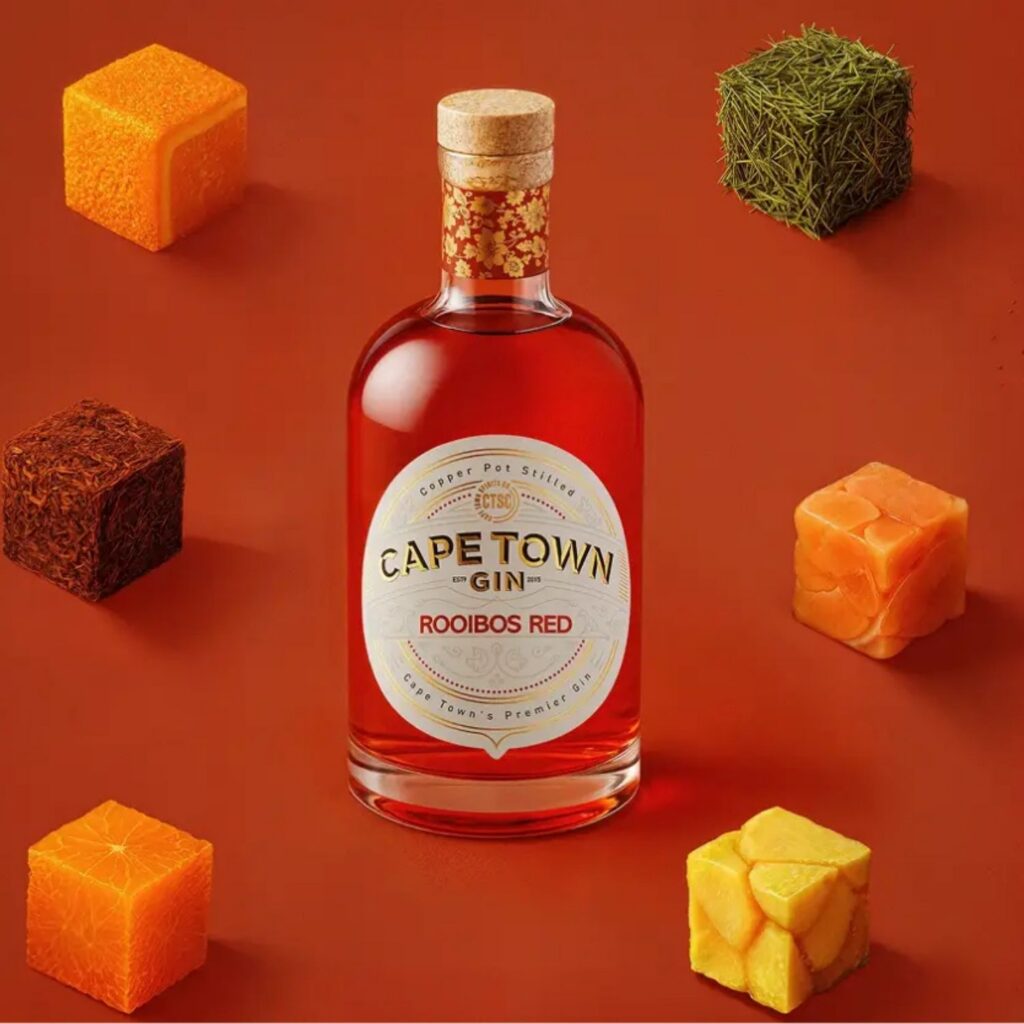
Few ingredients say South Africa quite like rooibos. Cape Town Rooibos Red Gin combines the indigenous plant’s earthy, gently spiced character with juniper, orange peel and cinnamon.
The resulting gin is aromatic, distinctive and visually striking. It also makes an excellent introduction to locally inspired gin for visitors who would like to take something more interesting than a fridge magnet home from the Cape.
Try it with: Tonic, fresh orange and a thin slice of ginger.
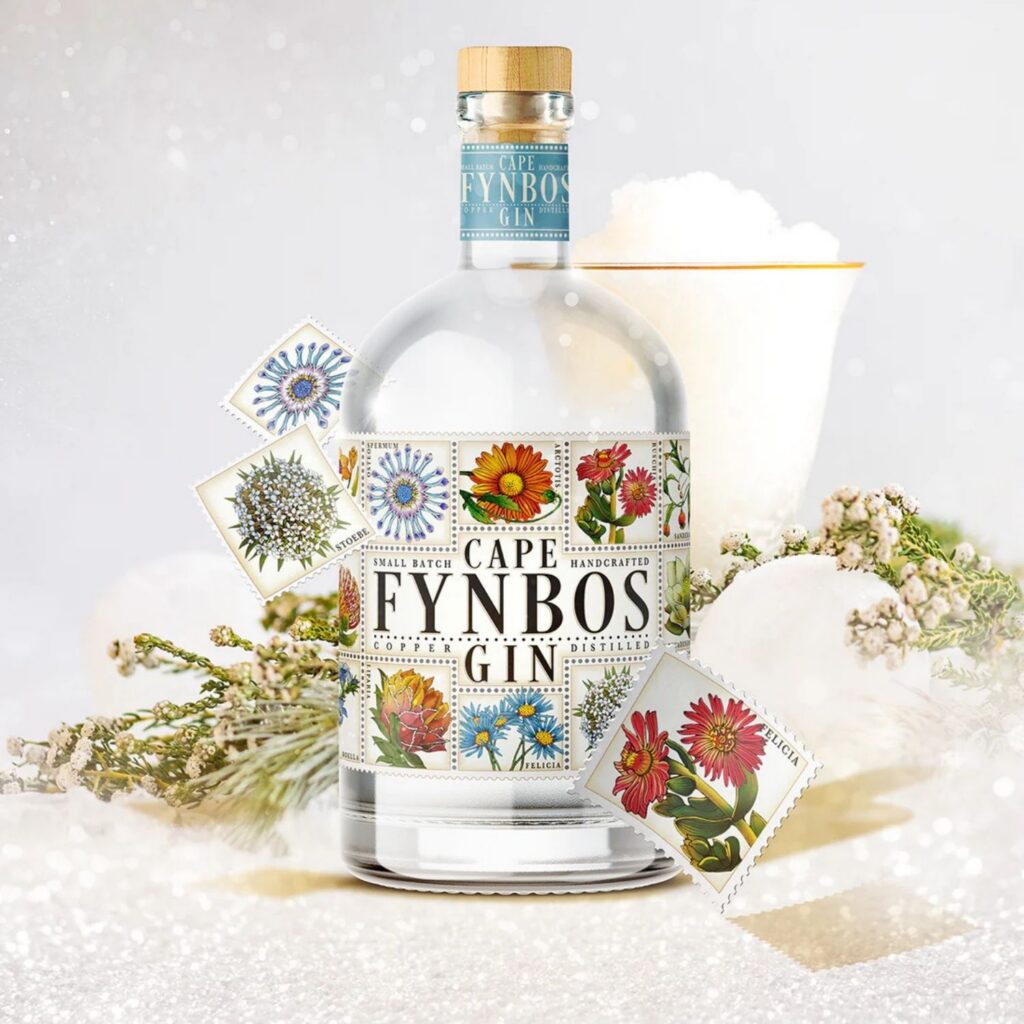
Cape Fynbos Gin brings the wild, herbaceous character of the Cape into the glass. Its citrus expression is easy-drinking and refreshing, with bright aromas supported by indigenous botanical notes.
This is the bottle to reach for when you want a straightforward sundowner with a little more personality than the standard house pour. Serve it simply and allow the botanicals to remain at the centre of the experience.
Try it with: Plenty of ice, a light tonic and a strip of lemon or grapefruit peel.

Botswana-born artist Kelebogile Marope wins the 2026 FNB Art Prize and will present a solo exhibition in Johannesburg in 2027.

Discover five fantastic farm-style restaurants in the KZN Midlands for country breakfasts, family lunches, local produce and vineyard views.

Discover 10 of the best whisky bars in Joburg for rare single malts, tasting flights, whisky cocktails, live music and relaxed after-dinner drinks.

From R8,999 for two people sharing
Enter the Parklive Jozi 2026 competition and stand a chance to win four tickets to see Nasty C, Elaine, TEEKS and more live.

Enter to win one of five sets of double tickets to see Ladysmith Black Mambazo and the KZN Philharmonic Orchestra at Zimbali.

Centurion Lifestyle Centre is giving shoppers the chance to win a share of more than R25,000 in prizes through its Live Your Lifestyle & Win

Artscape Opera House, D.F. Malan St, Foreshore, Cape Town
Enjoying our content? Subscribe to our weekly newsletter and every Thursday you’ll receive exciting news, reviews and event details from across Mzanzi!
By sharing your email address with us, you consent to Hello Lifestyle Magazine’s Terms of Use and Privacy Policy. You also consent to receive emails from Hello Lifestyle Magazine and our partners regarding news, events, offers and promotions.
Stay up-to-date on the hottest, hippest and most happening things to do in Mzansi!