Before You Click: The Ethics of Travel Photography
Great travel photography is not only about composition, lighting, and timing. It is also about respect.
When you join a photography tour, it is easy to focus on getting the perfect shot. But great travel photography is not only about composition, lighting, and timing. It is also about respect. As a guest in another location, you are stepping into people’s everyday lives, communities, and meaningful spaces. The way you photograph others should reflect curiosity, humility, and especially care.
Advertisement
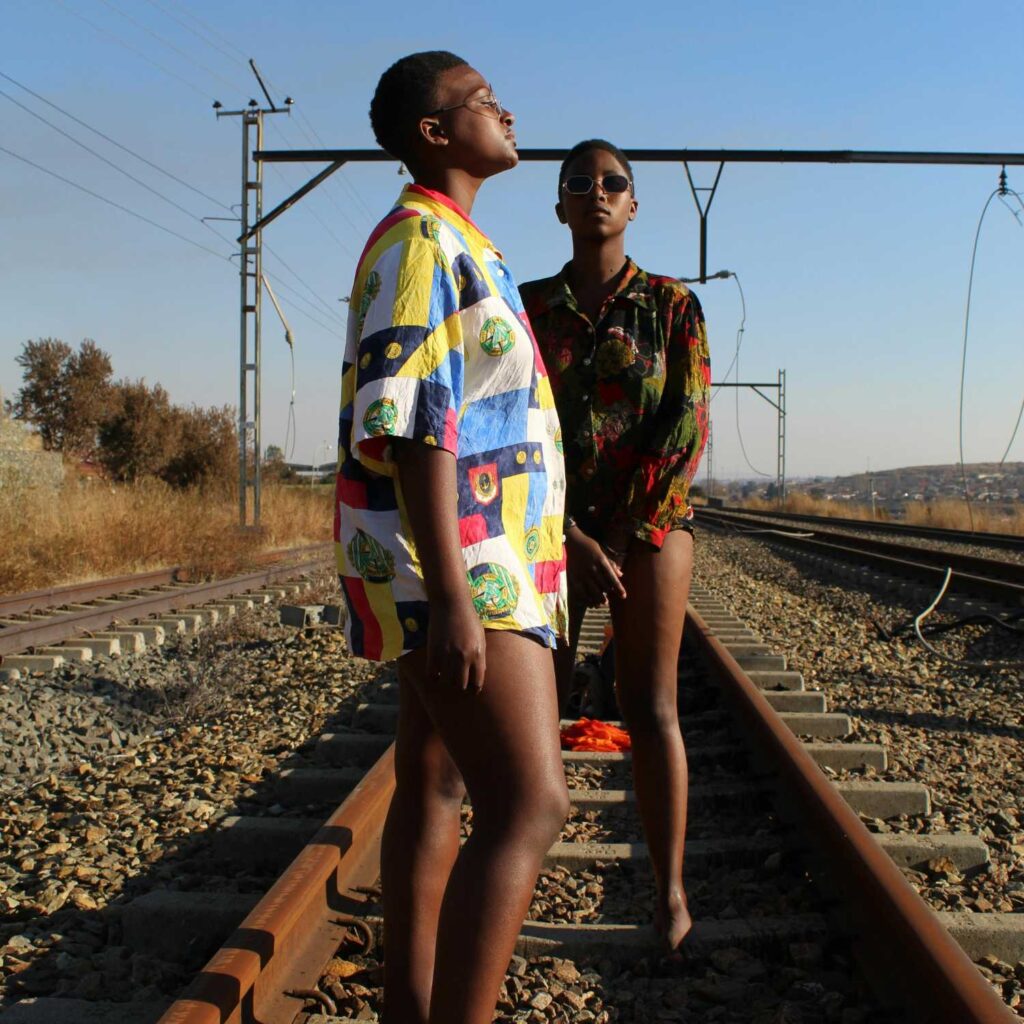
One of the most important habits to build is asking permission when appropriate. A simple smile, gesture, or polite question can go a long way. In many places, people are happy to be photographed if they feel seen and respected. In others, they may prefer privacy – and that choice should always be honoured. If someone says no, or seems hesitant, do not push. Running a respectful Cape Town photography workshop means sharing the idea that no image is more important than another person’s comfort or dignity.
Advertisement
Body language matters too. Even if you do not share a language, people often communicate clearly through expression and posture. If someone turns away, covers their face, or looks uncomfortable, take that as your answer. The same goes for taking pics in markets, villages, homes, or places where people are working. Just because a moment looks visually interesting, does not automatically make it yours to capture. Pause and consider whether your camera is welcome.
Extra sensitivity is essential when photographing children and vulnerable people. Children can make beautiful and joyful subjects, but they cannot always give informed consent. Whenever possible, ask a parent, guardian, teacher, or responsible adult before taking a photo. Even then, be thoughtful about how the image is made and how it may later be used. Avoid photographs that could embarrass, exploit, or misrepresent a child.
The same care applies to vulnerable people, including the elderly, the unhoused, refugees, hospital patients, or anyone in distress. These situations require more than permission. They require judgement. Ask yourself whether the photograph preserves dignity, or simply turns hardship into a visual opportunity. A respectful photographer never treats suffering, poverty, or vulnerability as scenery. If your image depends on someone else’s pain to feel powerful, it is worth reconsidering.
It is also important to follow local customs and rules. Each destination has different expectations surrounding photography, and what feels normal to you may not be acceptable somewhere else. Some religious sites, memorials, ceremonies, or sacred spaces may restrict photography altogether. In other places, photos may be allowed only in certain areas, or only without a flash. Government buildings, border crossings, military areas, and transport hubs may also have strict rules about cameras. Your guide should brief you, but asking never hurts. When in doubt, check first.
Advertisement
Respect also means understanding the cultural meaning of a place. A temple, mosque, shrine, cemetery, or festival may be visually stunning, but it is often first and foremost a place of worship, remembrance, or community life. Dress appropriately, move quietly, and avoid blocking pathways or interrupting rituals for a photo. Sometimes the best choice is to put the camera down and simply observe.
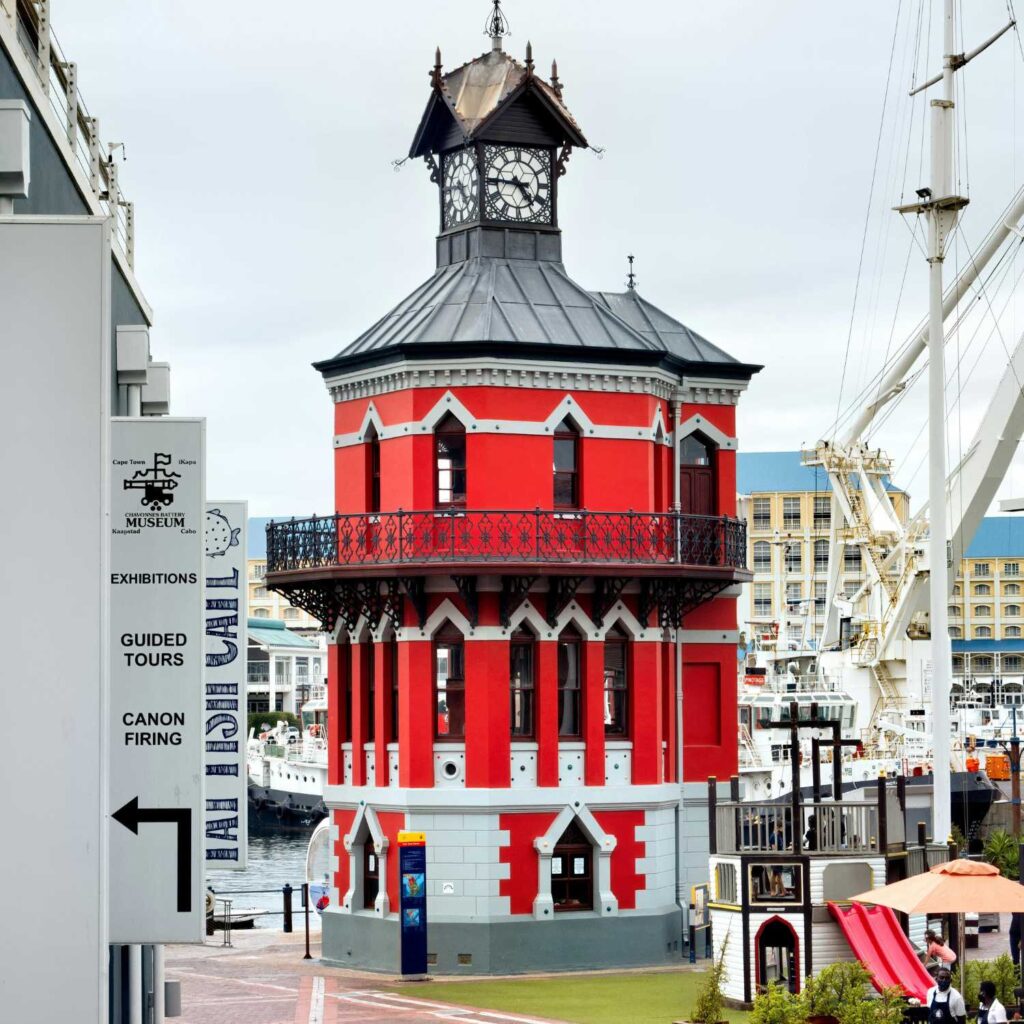
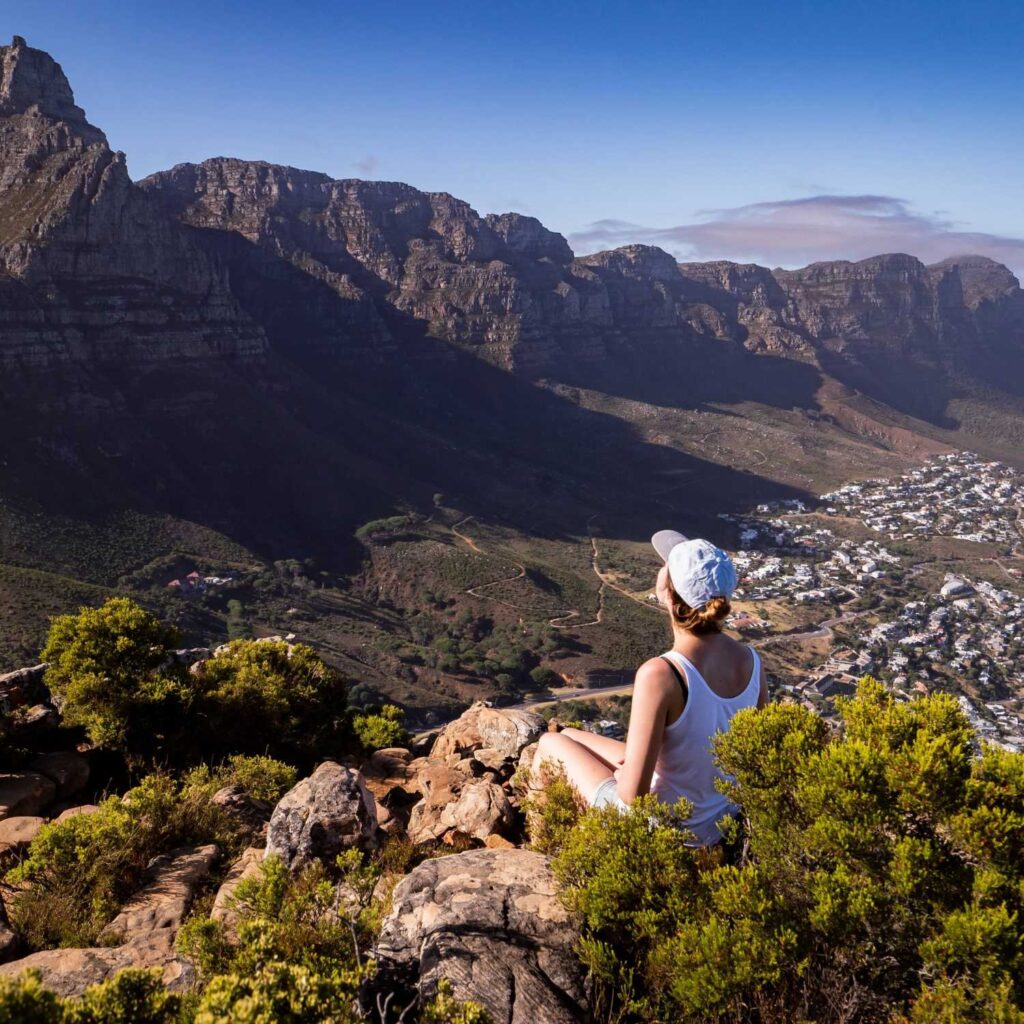
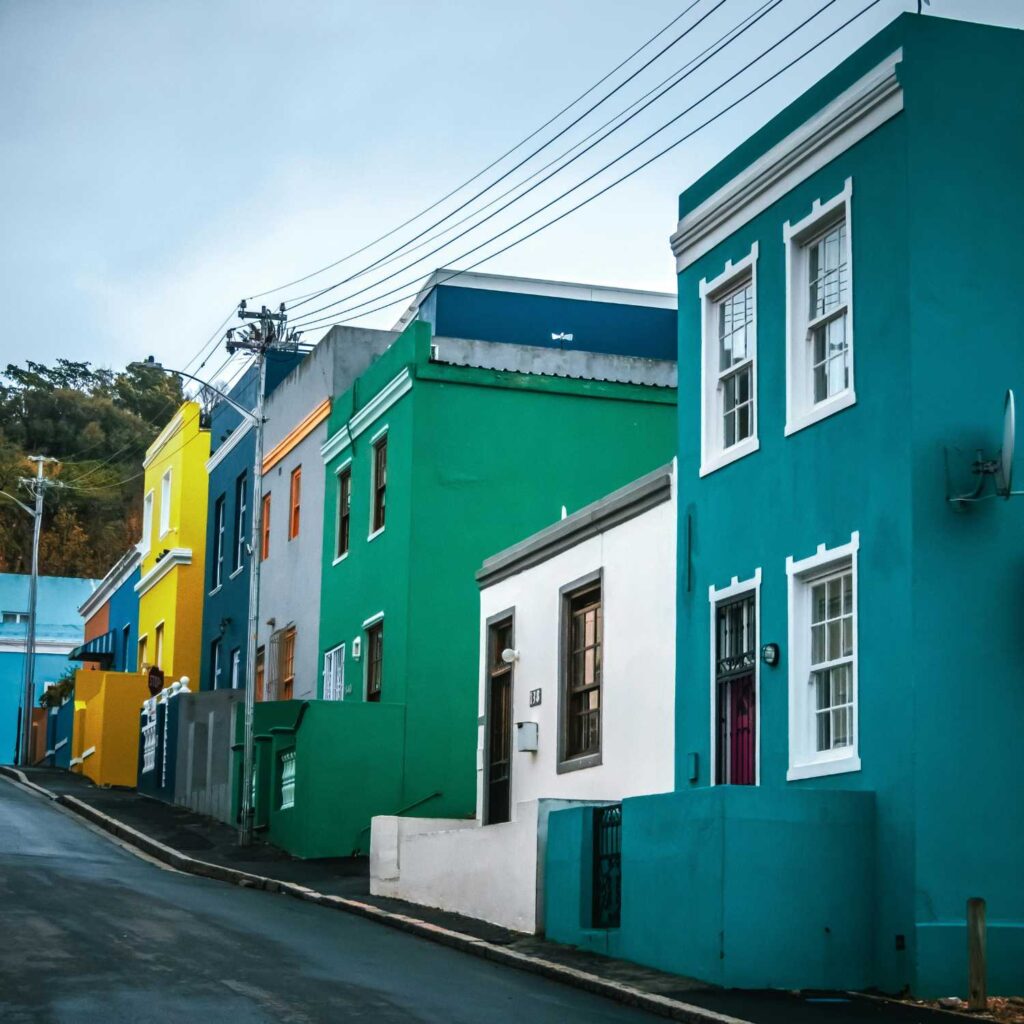
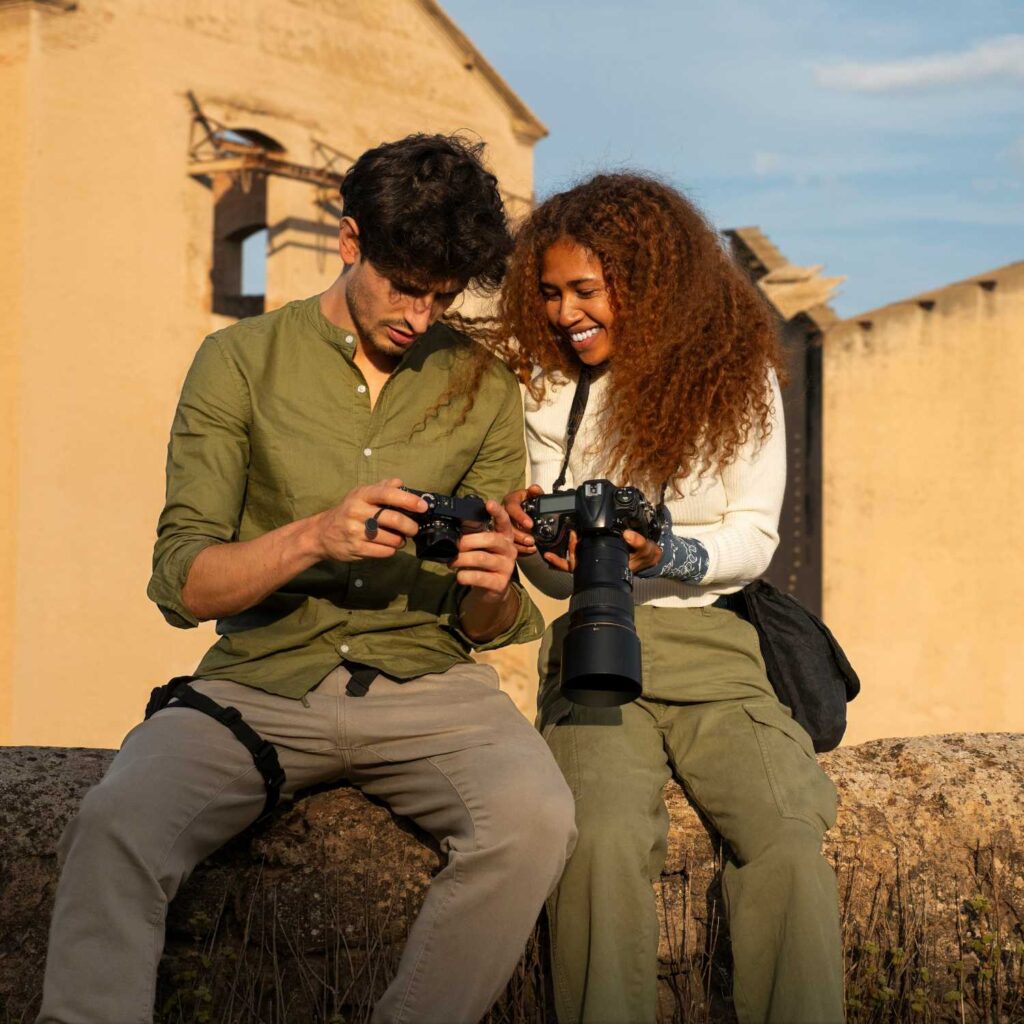
Travel photography, as could be captured on a Cape Town photography tour, is at its best when it creates connection rather than distance. A kind interaction before or after a photo can completely change the experience. Thank people when they allow you to photograph them. Show them the image if appropriate. Be present, not just observant. The strongest photographs often come from moments of trust.
In the end, being a respectful guest with a camera means remembering that you are representing yourself, your group, and your craft. Good photographers do not just take images. They pay attention, ask permission, follow the rules, and honour the people and places in front of them.
It’s a mindset that allows you to become more invested in, and dedicated to, your craft.
For more travel inspiration, click here.
Read our digital magazine.
Follow us on Instagram.
You May Also Enjoy These Related Articles