Some places arrive loudly, wearing their luxury like a freshly polished safari boot. Others return more quietly, carrying a heavier story in the dust. Sandringham Private Game Reserve belongs to the second kind. Set along the Timbavati River and bordering both Timbavati and Thornybush Game Reserves, this new addition to the Sabi Sabi Collection is not simply another safari address in the Greater Kruger. It is a landscape being given back to itself after years of human interference, hunting history and ecological repair.
A Landscape Given Back to the Wild
For the past five years, the Sabi Sabi Collection has been working to restore Sandringham Private Game Reserve into the kind of wilderness it was always meant to be. Not a stage set for safari theatre, but a living piece of bushveld where elephant herds move through riverine corridors, birdlife gathers around water, and the land slowly remembers what it was before people started rearranging the furniture.
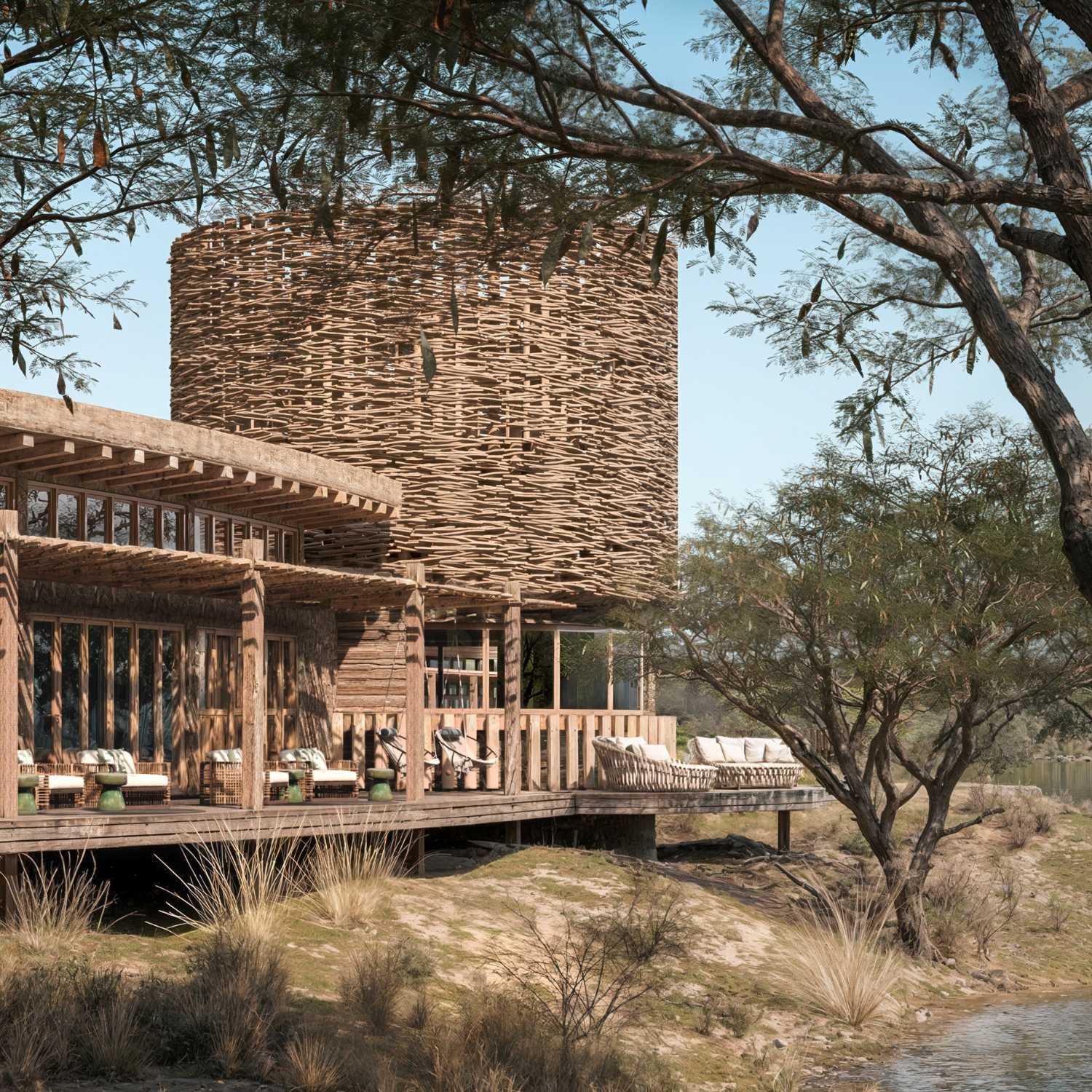
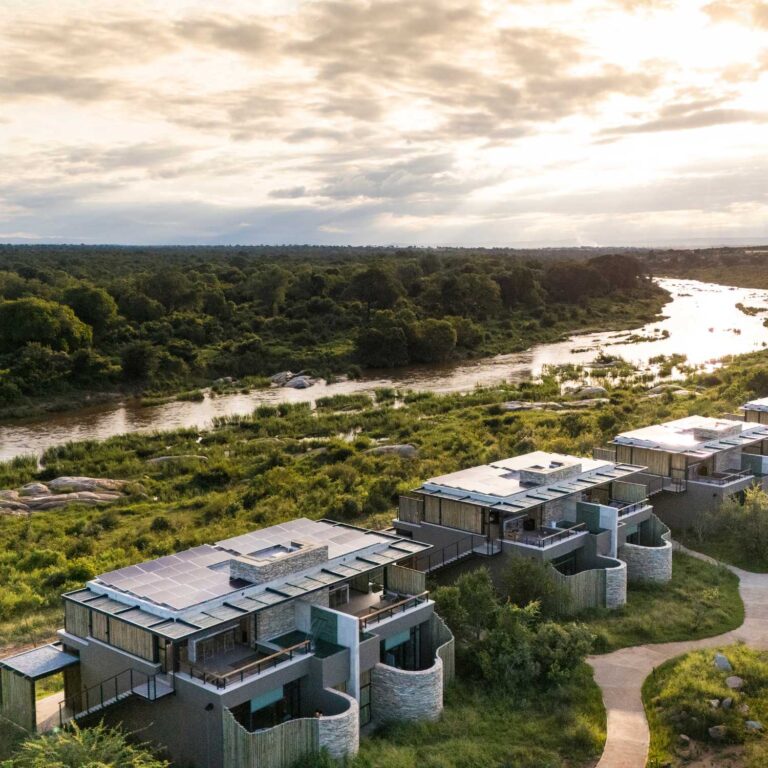
Launching in August 2026, Sandringham will introduce three distinct accommodation options: N’weti Camp, Shisaka Camp and Sandringham House. Each has been designed around a different way of experiencing the reserve, from classic safari comfort to a more private, exclusive-use stay for families or groups travelling together.
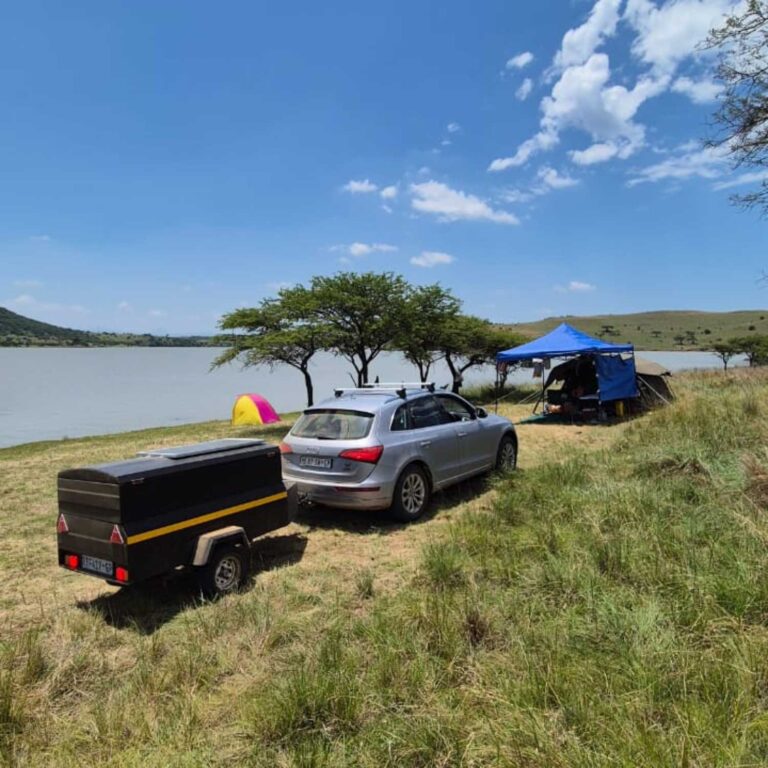
The reserve sits on a remarkable stretch of the Timbavati River, one of the perennial rivers feeding the Greater Kruger ecosystem. On arrival, guests are met by water, bushveld and a Drakensberg backdrop that feels almost cinematic. It is the kind of view that makes people speak more softly, which is usually a good sign in the bush.
Walking Safaris, Water and Birdlife
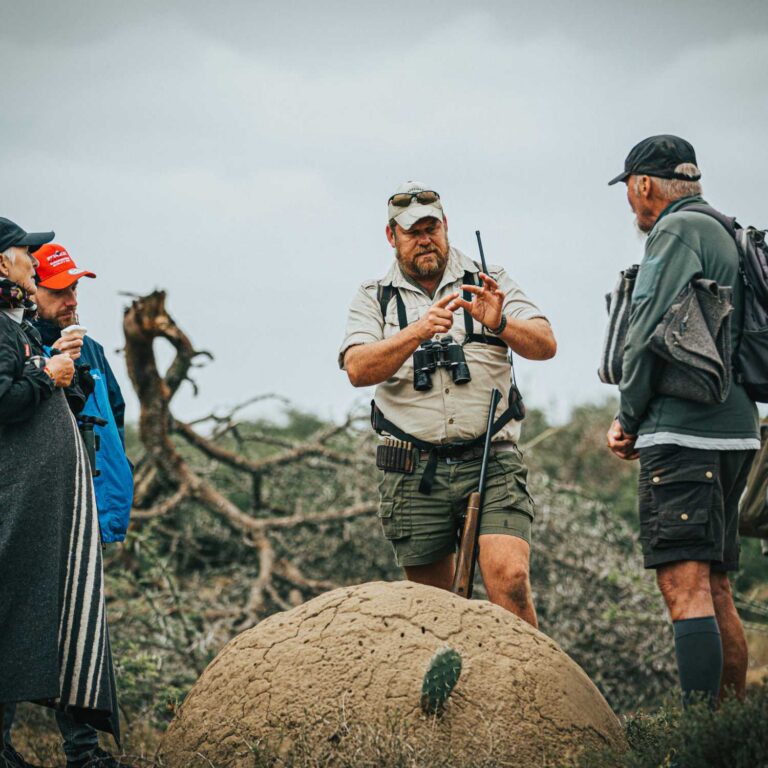
One of Sandringham’s most compelling features is its walking safari potential. The reserve has eight major drainage lines, mature trees, breeding vulture colonies and a rich variety of habitats that reward slower exploration.
In a safari world increasingly shaped by quick sightings and camera-roll urgency, walking changes the conversation. You notice tracks before animals. You learn the mood of the wind. You discover that a termite mound can be more interesting than half the things people argue about on the internet.
Sandringham’s large dam on the Timbavati River is expected to become a major focal point for wildlife viewing. Big elephant herds, excellent birdlife and the constant movement around water should give the reserve a rhythm of its own, particularly in the dry season when animals gather around reliable water sources.
Wyndham believes the safari experience at Sandringham will compare strongly with what guests expect from the Sabi Sands, while the added emphasis on walking safaris gives the reserve its own personality.
Conservation, Community and Tracking Skills
Sandringham’s restoration is not only about wildlife. The reserve has also partnered with the Tracker Training Academy on an initiative helping young people from nearby communities train as trackers.
This matters. Good tracking is not a decorative safari skill. It is part science, part intuition and part inherited bush knowledge. In South Africa, where conservation and community upliftment must work together rather than wave politely from opposite sides of the fence, initiatives like this give tourism deeper value.
Sandringham is also working with Bushwise, the Ranger Training Academy and WildEarth as part of its broader training and conservation network. These partnerships point to a model where safari tourism supports practical skills, local employment and environmental education.
That is where the Sabi Sabi Collection has built much of its reputation over more than four decades: not only through polished hospitality, but through a long-standing focus on conservation, people and place.
Advertisement
A New Chapter for the Sabi Sabi Collection
The launch of Sandringham Private Game Reserve marks another step in the evolution of the Sabi Sabi Collection, a family-owned South African hospitality group known for safari experiences within the Greater Kruger as well as boutique properties such as The Claremont Boutique Hotel in Cape Town.
For travellers, Sandringham adds another reason to look closely at the Greater Kruger in 2026. For the region, it brings a previously diminished landscape back into the conservation fold. For the wildlife, it offers something far more important than thread counts and wine lists: space, safety and time.
And perhaps that is the real story here. Sandringham is not trying to invent the bush. It is trying to get out of its way.
#HelloRecommends
Sandringham Private Game Reserve should be firmly on the radar for travellers who want more from a safari than a handsome lodge and a good lion sighting. Its appeal lies in the return of a landscape, the rehabilitation of wildlife and the chance to experience a quieter corner of the Greater Kruger with the Sabi Sabi Collection’s established hospitality behind it. If the best safaris are the ones that leave you thinking long after the dust has settled, Sandringham may well become one of 2026’s most meaningful bush escapes.