GWM ORA 5 Launches in South Africa with Petrol, Hybrid and Electric Options
The new GWM ORA 5 arrives in South Africa with petrol, hybrid and electric models, giving compact SUV buyers more choice than ever before.
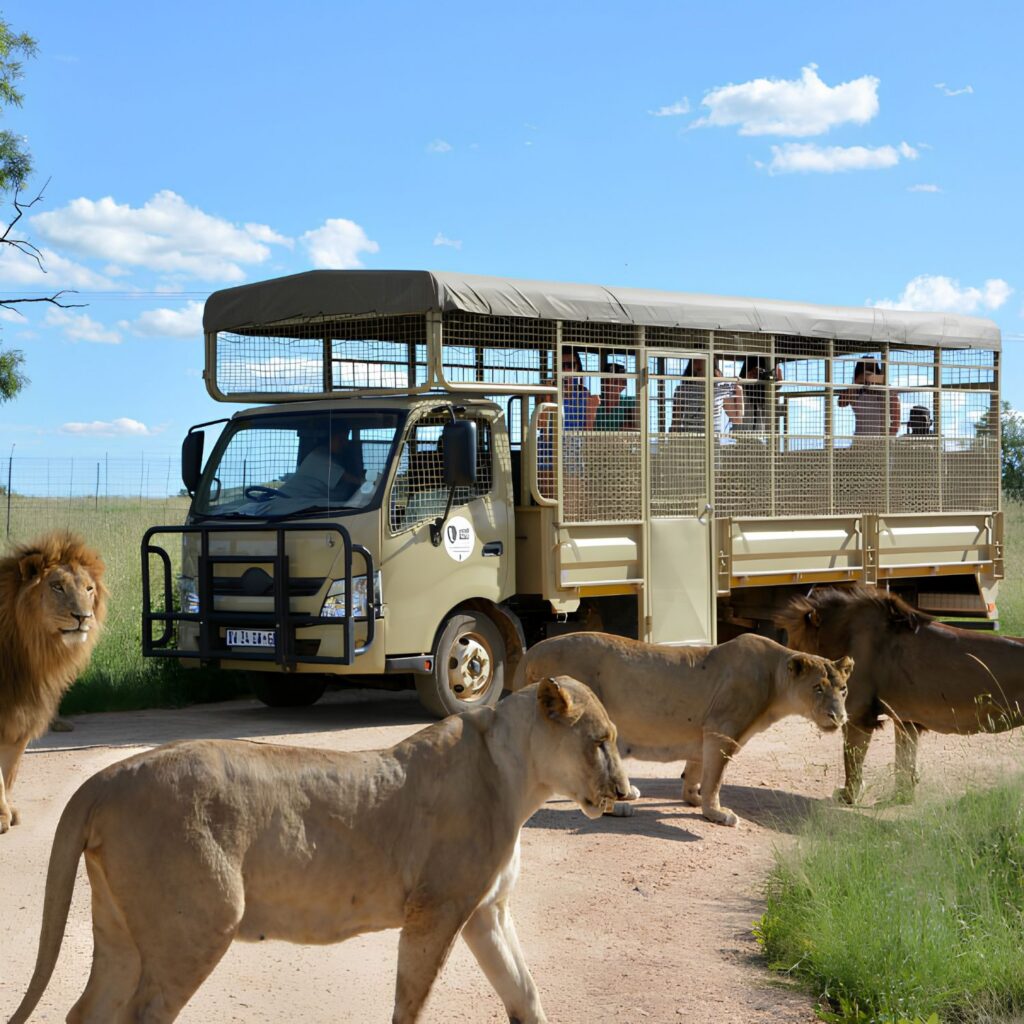
If there is one experience that defines South Africa in the imagination of international travellers, it is the safari. Yet ask ten South Africans the best safari region is and you’ll probably receive ten different answers. Some will swear by the legendary wildlife encounters of The Kruger National. Others will argue that nowhere rivals Madikwe’s malaria-free luxury, while seasoned photographers quietly point towards the red dunes of the Kgalagadi Transfrontier Park, where black-maned lions patrol ancient riverbeds beneath impossibly wide skies.
The truth is that South Africa doesn’t have a single “best” safari destination. It has a remarkable collection of landscapes, each offering its own rhythm, wildlife and conservation story. Some regions promise exceptional Big Five sightings. Others have become global leaders in rhino protection, habitat restoration or community conservation. Some are ideal for first-time safari-goers, while others reward travellers seeking exclusivity, solitude or a deeper connection with nature.
In compiling this guide, we’ve looked beyond luxury lodges and postcard-perfect sunsets. Our selections are based on wildlife diversity, conservation impact, accessibility, value for money and the quality of the overall safari experience. Whether you’re planning your very first game drive or searching for a once-in-a-lifetime bush escape, these are the regions that continue to set the benchmark for safari travel in South Africa.
There are few places on Earth where nature still dictates the rhythm of each day quite like the Greater Kruger. Before sunrise, the bush is alive with possibility. Lions return from a night’s hunt, elephants quietly make their way to watering holes, and somewhere in the distance a Blue Crane (South Africa’s National Bird), announces another African dawn. It is a landscape where every game drive begins with anticipation and ends with a story.
Stretching across almost two million hectares, the Greater Kruger ecosystem combines the world-renowned Kruger National Park with neighbouring private reserves such as Sabi Sand, Timbavati, Klaserie and Balule. Wildlife moves freely across unfenced boundaries, creating one of Africa’s largest intact conservation landscapes and one of its richest wildlife experiences.
What makes Greater Kruger exceptional is not simply the abundance of animals, but the diversity of experiences it offers. First-time safari-goers can enjoy unforgettable Big Five sightings within the national park, while seasoned travellers can venture into private reserves for intimate off-road game drives, guided bush walks and some of the finest leopard viewing anywhere in Africa. The region also supports an extraordinary variety of birdlife, making it just as rewarding for photographers and bird enthusiasts as it is for wildlife lovers.
For many, a safari in Greater Kruger becomes the benchmark against which every future safari is measured.
Limpopo & Mpumalanga.
Approximately 2 million hectares.
Around 5–6 hours by road from Johannesburg or a one-hour flight to Skukuza, Hoedspruit or Nelspruit.
Yes. In certain locations, due to its proximity to Mozambique.
May to September for exceptional game viewing; October to April for birding and lush landscapes.
Three to five nights.
First-time safari visitors, photographers, luxury travellers and international visitors.
Greater Kruger’s greatest strength lies in its scale. Unlike many fenced reserves, this ecosystem allows wildlife to roam naturally across vast landscapes, following ancient migration routes that have existed for centuries. That freedom creates dynamic wildlife encounters where no two game drives are ever alike.
The region is internationally renowned for its exceptional leopard population, while healthy numbers of lion, elephant, buffalo, rhino and endangered African wild dogs make sightings remarkably consistent throughout the year.
The diversity of habitats also plays an important role. Open savannah, dense riverine forest, granite koppies and mopane woodland each support different species, ensuring every drive reveals something unexpected. Combined with some of Africa’s most experienced safari guides and trackers, Greater Kruger offers a depth of wildlife interpretation that extends well beyond ticking animals off a checklist.
he Greater Kruger ecosystem represents one of Africa’s most successful examples of landscape-scale conservation. By removing fences between Kruger National Park and neighbouring private reserves, wildlife can move freely across an enormous protected area, supporting healthier populations and greater genetic diversity.
Tourism revenue plays a critical role in sustaining anti-poaching operations, habitat management, scientific research and community development projects throughout the region. Many private reserves have also invested heavily in conservation education, local employment and responsible tourism practices, ensuring that the benefits of wildlife protection extend well beyond the park boundaries.
If you’re only going to experience one safari in South Africa, make it the Greater Kruger. Nowhere else combines such extraordinary biodiversity, exceptional guiding and world-class accommodation across a landscape of this scale. Whether you’re celebrating a honeymoon, introducing your children to
The first thing you notice about the Waterberg isn’t the wildlife. It’s the silence.
Less than three hours north of Joburg, the highways give way to winding gravel roads, ancient sandstone cliffs and vast bushveld valleys where time seems to slow. This UNESCO Biosphere Reserve has quietly become one of South Africa’s most exciting safari destinations, offering an experience that feels far removed from the crowds without requiring a cross-country journey.
Unlike many traditional safari regions, the Waterberg tells a story of restoration. Much of today’s protected wilderness was once agricultural land before visionary conservationists began reconnecting habitats, reintroducing wildlife and rebuilding ecosystems. The result is a landscape where endangered species are thriving once again and luxury tourism directly supports conservation efforts.
For travellers seeking exclusivity, exceptional lodges and meaningful conservation experiences, few regions rival the Waterberg.
Limpopo
UNESCO Biosphere Reserve
Approximately 3 hours from Johannesburg.
Generally malaria-free.
Two to four nights
Weekend escapes, families, luxury travellers and conservation enthusiasts.
The Waterberg offers a refreshing alternative to the traditional safari experience. Vast private reserves provide low vehicle densities, exceptional hospitality and a stronger emphasis on immersive nature experiences. Dramatic mountains, open plains and ancient rock formations create spectacular scenery that is every bit as memorable as the wildlife itself.
The Waterberg is recognised globally for its habitat restoration projects and collaborative conservation initiatives. Private reserves continue to restore degraded farmland into functioning wilderness while investing heavily in rhino protection, biodiversity research and community upliftment. Its UNESCO Biosphere status reflects the region’s commitment to balancing conservation with sustainable tourism and local livelihoods.
If luxury, exclusivity and conservation matter as much to you as seeing the Big Five, the Waterberg deserves a place at the top of your safari wishlist. Close enough for a spontaneous weekend away yet wild enough to feel like another world, it’s one of South Africa’s finest examples of conservation done well.

The new GWM ORA 5 arrives in South Africa with petrol, hybrid and electric models, giving compact SUV buyers more choice than ever before.
Updated July 2026: Pretoria is home to five of the nine universities in the country. It makes sense then that the art produced and showcased

The South African safari is one of the few holidays that still manages to surprise people. Not because the animals have changed. Lions remain lions.
There is no excerpt because this is a protected post.

Hello Lifestyle has partnered with The Social Card to give three lucky readers the opportunity to attend this exclusive launch event. Each winner will receive

Advertisement Made for the match: grass-court glamour, without the flight to London. Share this article Made for the match: grass-court glamour, without the flight

WIN a R2,000 Jockey Voucher! As temperatures drop and days take on a gentler rhythm, autumn invites a slower pace defined by layering, comfort and
Irene Village Theatre, 1 Pioneer Road, Irene Security Estate, Centurion
Enjoying our content? Subscribe to our weekly newsletter and every Thursday you’ll receive exciting news, reviews and event details from across Mzanzi!
By sharing your email address with us, you consent to Hello Lifestyle Magazine’s Terms of Use and Privacy Policy. You also consent to receive emails from Hello Lifestyle Magazine and our partners regarding news, events, offers and promotions.
Stay up-to-date on the hottest, hippest and most happening things to do in Mzansi!